Your bulbs are now entering dormancy—an essential phase before next season’s flowering.
What this means:
- Once foliage is fully yellow or brown, you may trim it to soil level.
- Reduce watering significantly, especially in warmer climates—bulbs prefer a dry period.
- Avoid fertilising now; wait until new growth targets emerge next spring.
- In very hot or humid regions, consider lifting bulbs for cooler‑storage if recommended for your variety.
By managing this phase correctly, you support the bulb’s natural cycle and ensure strong “spring bulb renewal.”
Integrating the 10‑Step Plan Into a Seasonal Calendar
Immediately After Bloom (Week 1–2)
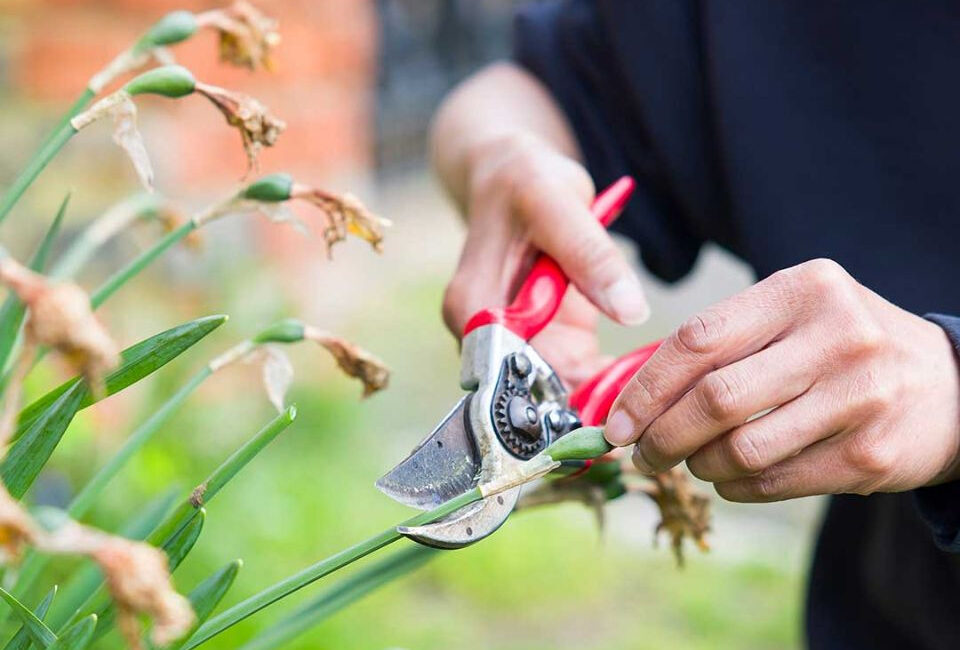
- Step 1: Deadhead spent flowers
- Step 2: Leave leaves intact
- Step 3: Monitor watering, adjust as necessary
Weeks 2–8
- Continue Step 2: Let foliage continue photosynthesis
- Step 4: Apply appropriate fertiliser
- Step 5: Mulch and care for soil
- Step 6: Weed control
Late Spring / Early Summer
- Step 7: Check for overcrowding, divide bulbs if needed
- Step 8: Mark locations and plan bed usage
- Step 9: Inspect for pests & disease
Summer Dormancy Phase
- Step 9 (cont.): Maintain bulb bed hygiene
- Step 10: Reduce watering, allow complete dormancy
- Prepare bed for next cycle
Common Mistakes and How to Avoid Them
- Cutting foliage too early: This is the single most damaging mistake—it robs the bulb of energy.
- Over‑watering during dormancy: Leads to rot and poor future performance.
- Neglecting fertiliser: Without feeding, bulbs weaken each year.
- Ignoring overcrowding: Results in smaller flowers or no bloom at all.
- Ignoring pest signs: Bulbs can be lost to rodents or fungal disease if the bed is unmanaged.
By following the 10‑step plan you’ll avoid these common pitfalls.
Bonus Tips: Advanced Practices for Enthusiasts
- Grow companion plants that emerge just as daffodil foliage fades, masking tired leaves and giving a continuous garden display.
- Rotate planting locations every 5‑7 years to prevent soil nutrient exhaustion in the bulb bed.
- Experiment with “naturalising” daffodils by allowing clumps to spread and self‑divide, reducing the need for manual division long‑term.
- Use bulb‑specific slow‑release fertilisers or organic composts in autumn and early spring for enhanced soil health.
- Record bloom data each season (flower count, size, timing) to track performance and identify issues early.
Final Thoughts: The Long View of Daffodil Blooms and Bulb Health
A stunning spring display of daffodils does not happen by chance—it is the reward of attentive post‑bloom care, smart bulb management and long‑term planning. By executing the ten critical actions outlined here—deadheading, preserving foliage, watering strategically, fertilising, mulching, weeding, dividing, marking, pest monitoring and managing dormancy—you position your bulb bed not only for one good season but many.
Remember: the bloom might fade in weeks, but the work that ensures next year’s show begins now. If you invest time in a robust “after‑bloom” regime, you’re investing in consistent, vibrant spring colour that becomes a fixture of your garden rather than a fleeting moment.