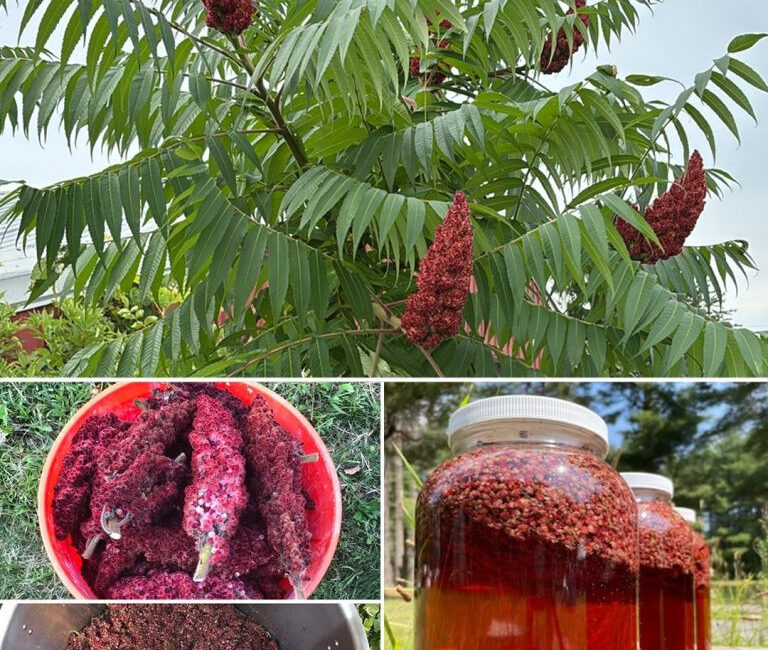
If your spice rack is crowded with salts, peppers, paprika and everyday staples, it may surprise you that one of the most potent flavor‑and‑wellness upgrades lies quietly in a deep red jar: sumac. With its vibrant hue, lemony tang, smoky undertones and rich traditional use, sumac is more than just a seasoning—it’s a lifestyle enhancer. In this article, we’ll delve deeply into how sumac functions as a culinary powerhouse, a natural wellness booster, and a daily habit lever for flavor, health and kitchen creativity.
From its flavor profile and pantry mastery, to wellness mechanisms like antioxidant activity, blood‑sugar support, digestion enhancement and more, you’ll walk away with a full toolkit: how to choose quality sumac, how to store it, how to cook with it, how to embed it into your wellness routine, advanced recipes, and an understanding of why this under‑used spice deserves star status in your home.
Let’s dive into the full journey of sumac—from spice jar to health‑supporting everyday habit.
What Is Sumac? Flavor, Origins, and Pantry Potential
Flavor Profile & Sensory Punch
Sumac brings a vivid sensory upgrade: imagine bright lemony tartness, lightly smoky and earthy undertones, a smooth finish with no heat (unlike chili) but with a flavor‑pop that accentuates dishes without overpowering. It’s the kind of seasoning that lifts the entire plate, adding zest, complexity, color and even a gentle acidity. It often serves as a citrus substitute seasoning—perfect when you want acidity but don’t want extra liquid or messy juice.
Origins & Traditional Use
This spice is derived from the dried and ground berries of certain sumac shrub species, long used in Mediterranean, Middle Eastern and North African cuisines. The deep red or crimson powder is functionally a seasoning and souring agent. Historically, it has been used to flavor salads, rice dishes, grilled meats, yogurts, dips, pickles and even lemonade‑style drinks.
Pantry Mastery: Choosing & Storing Sumac
To maximize impact, treat sumac like a premium spice:
- Look for deep crimson or maroon color—dull brown indicates age and loss of flavor.
- Aroma matters: fresh sumac should carry a tangy, almost citrusy scent—not flat.
- Storage: Keep it in an airtight jar, away from heat and light, to preserve its zest and potency.
- Shelf life: Like all spices, potency diminishes over time; plan to rotate it annually.
- Quality: Choose fine yet slightly coarse powder or flakes—avoid ultra‑fine “dust” which may have lost aroma.
Once you’ve mastered the pantry basics, you’re ready to unlock both culinary creativity and wellness upgrades.
Culinary Uses: Elevate Your Kitchen with Sumac’s Zesty Flair
Sumac functions in multiple culinary roles—acidic accent, finishing spice, rub or marinade component, even a vibrant garnish. Here are ways to master it in your kitchen:
As a Finishing Spice
After cooking, sprinkle a light dusting of sumac on hummus, yogurt dip, roasted vegetables, grilled chicken or fish. The tang lifts the dish instantly and adds visual appeal with its red powder. This finishing touch is often missed by home cooks yet delivers restaurant‑level flavor upgrades.
Substitute for Lemon or Vinegar
When you want acidity without adding liquid (which may dilute sauces or salads), sumac excels. For example: use ¼ teaspoon of sumac instead of a squeeze of lemon juice in your salad dressing. It preserves texture while delivering zest.
Marinades and Rubs
Mix sumac with olive oil, garlic, salt, pepper and herbs to marinate lamb, chicken, fish or grilled veggies. The light tartness helps tenderize and flavor the food at once. Try a sumac‑herb rub: 1 tbsp sumac +1 tsp thyme +½ tsp cumin +salt/pepper and rub on steak before grilling.
Salads & Grain Bowls
Classic example: a fattoush‑style salad with chopped cucumber, tomato, herbs and a heavy pinch of sumac. You can also toss sumac into rice, quinoa or lentil bowls to brighten and refresh.
Vegetables & Roasting Upgrade
Roast cauliflower, carrots, zucchini or sweet potatoes with olive oil and salt, then dust with sumac just before serving for contrast and complexity.
Drinks & Infusions
Sumac can be steeped (like loose berries) to make tart‑lemonade style drinks—especially great in summer. Alternatively, you can rim cocktails with sumac + salt for a bold flavor rim.
Sweet & Savory Balance
Don’t limit sumac to savory—its subtle fruity tang can complement berries, yogurt, citrus desserts, vanilla ice cream or glazed fruit for a nuanced depth. A pinch on top of lemon‑blueberry muffins or even stirred into honey makes for a novel twist.
Recipe Frameworks
- Sumac Yogurt Dip: Greek yogurt + garlic + olive oil + pinch of sumac + chopped parsley = quick appetizer.
- Sumac Chickpea Salad: Roasted chickpeas, red onion, parsley, sumac, olive oil & lemon = high‑flavor vegetarian meal.
- Sumac‑Crusted Salmon: Salmon fillets rubbed with salt, pepper and sumac, seared then finished with chile‑oil and fresh herbs.
- Sumac Rice Pilaf: Cook basmati rice, stir in toasted pine nuts, chopped herbs, and ½ tsp sumac before serving.
- Sumac Ice Cream or Yogurt Bowl: Vanilla yogurt or gelato topped with fresh berries, drizzle of honey and light sprinkle of sumac for complexity.
By integrating sumac into your regular cooking, you not only elevate flavor but reduce reliance on heavier sauces or excess salt—linking directly to health‑oriented home cooking.
Wellness Mechanisms: What Makes Sumac More than Just a Spice
Beyond flavor, sumac offers compelling wellness benefits that align with keywords such as “natural health booster,” “antioxidant spice,” “metabolic support seasoning,” “anti‑inflammatory condiment,” and “functional food enhancement.” Let’s unpack how this seasoning does double duty.
Antioxidant Powerhouse
Sumac is rich in polyphenols, flavonoids (including quercetin, tannins) and acids like malic and citric acid. These compounds combat oxidative stress—an underlying factor in aging, chronic disease and inflammation. Regular use of sumac as part of a varied diet can help strengthen your body’s resilience to free‑radical damage.
Anti‑Inflammatory Action
Chronic inflammation underpins many modern illnesses—joint pain, cardiovascular disease, metabolic syndrome, and more. Sumac’s bioactive compounds support reduced inflammation markers and protect tissues from damage. Incorporating sumac into your diet contributes to an inflammation‑friendly regimen.
Metabolic and Blood‑Sugar Support
Emerging evidence suggests sumac may help modulate blood‑sugar levels and improve insulin sensitivity. For anyone managing glucose, or seeking improved metabolic flexibility, sumac can be a strategic spice to support healthy metabolism habits.
Digestive Health & Gut Comfort
Sumac’s acidity plus fiber, plus mild antimicrobial effect, make it supportive for digestion. It can assist with bloating, sluggish digestion and bacterial/gut‑microbe balance. When paired with vegetable‑rich high‑fiber meals, it helps establish a digestive‑friendly seasoning strategy.
Cardiovascular and Lipid Support
Studies indicate potential benefits in lowering LDL (bad cholesterol) and improving heart‑health markers. While it’s not a cure‑all, use of sumac within a heart‑healthy diet elevates your cardiovascular nutrition plan.
Weight Management & Satiety
Given its strong flavor, sumac helps you feel satisfied with less added fat or heavy sauces. When you replace heavy condiments with sumac, you support calorie control and flavor satisfaction—important elements in sustainable weight management.
Skin, Immunity & Overall Vitality
Because sumac supports cellular health (via antioxidants and nutrient support), it contributes indirectly to skin radiance, immune resilience and vitality. It complements high‑quality whole‑food diets and lifestyle practices focused on holistic wellness nourishment.
Building a Sumac‑First Routine: How to Use It Daily
To maximize benefits, the key is consistency and integration. Here’s how to build a sumac‑first routine into your kitchen and wellness habits.
Kitchen Routine
- Weekly prep: Each week, choose a “sumac spotlight” dish (salad, bowl, roasted veggie, marinade) to ensure you’re using it consciously.
- Dry rub strategy: Keep a small jar of sumac‑herb rub (sumac + thyme + salt + pepper) ready in the fridge to speed up meal prep.
- Finishing sprinkle habit: At the end of cooking (or right before serving), add ¼–½ teaspoon of sumac to brighten up plating and elevate flavor—great when time is short but flavor needs to pop.
- Flavor substitution: Swap out lemon juice or vinegar in mid‑day meals with sumac to reduce acid exposure and maintain texture (especially useful in salads or grain bowls).
Wellness Routine
Click page 2 for more