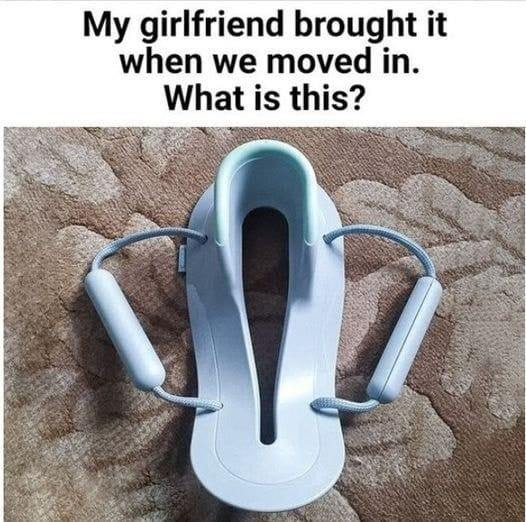
Moving in with someone new often comes with unexpected discoveries. Among kitchen gadgets, obscure decorations, and miscellaneous household items, one peculiar object often causes a double-take: a plastic device with handles. Many have seen photos of it online, prompting the inevitable question: what exactly is this object, and why does it exist?
Surprisingly, the answer is practical, elegant, and life-changing for those who struggle with mobility or flexibility. This device is known as a sock aid tool, sometimes called a sock donner, and it represents a small but remarkable advancement in everyday living aids.
Understanding the Sock Aid Tool
At first glance, the sock aid seems simple—a plastic frame with handles. Yet its simplicity belies its ingenuity. It is designed to help users put on socks without bending over, reaching awkwardly, or risking strain to the back or joints.
The sock aid works through a straightforward process:
- Place the Sock on the Frame: The sock is stretched over the plastic frame, creating an open tube ready for the foot.
- Insert the Foot: The user slides the foot into the opening, positioning it for easy donning.
- Pull the Handles: Using the attached cords or handles, the device pulls the sock up over the heel, foot, and ankle.
This small device can dramatically improve independence for seniors, individuals with disabilities, or anyone recovering from surgery or injury.
The Historical Context of Sock Aids
While sock aids may seem modern, they are part of a larger history of adaptive devices designed to improve daily life. The concept of mobility aids dates back centuries, with early examples including walking sticks, prosthetics, and mechanical devices to assist with clothing.
The sock aid itself emerged as healthcare professionals recognized a common challenge: putting on socks is difficult for those with limited flexibility, back problems, or joint pain. Before modern sock aids, individuals relied on improvisation—grabbing socks with long tongs, using hands in awkward positions, or requiring assistance from others.
With the introduction of plastic, nylon, and ergonomic design in the 20th century, sock aids became inexpensive, lightweight, and easy to manufacture. Today, they are standard tools in rehabilitation clinics, senior living facilities, and home care setups.
How the Sock Aid Works: Detailed Mechanics
Although simple in appearance, the sock aid is a marvel of ergonomic design. Let’s break down the mechanics:
- Frame Design: Usually made of flexible yet sturdy plastic, the frame holds the sock open in a tube shape. Some models feature slightly curved edges to accommodate different foot sizes.
- Handles and Pull Straps: Long, strong cords attached to the frame allow the user to pull the sock over their foot without bending. This reduces strain on the lower back, knees, and hips.
- Sock Placement: Stretching the sock over the frame may take a few attempts initially, but once mastered, the process is quick and reliable.
- Adaptation for Different Socks: The device can be used with dress socks, casual socks, compression socks, and even thicker winter varieties.
The beauty of this device lies in its simplicity: no batteries, no motors, no complex mechanisms—just a thoughtful design that translates physical effort into ease of use.
Who Benefits from a Sock Aid Tool
The sock aid is more than a curiosity—it is a life-enhancing device for many people. Some of the main groups who benefit include:
1. Seniors and Older Adults
As people age, flexibility and joint health decline. Many older adults struggle to reach their feet, causing discomfort or even risk of injury when bending to put on socks. The sock aid enables independence, allowing seniors to perform daily routines without relying on assistance.
2. Individuals with Limited Mobility
People with conditions such as arthritis, multiple sclerosis, or Parkinson’s disease often face challenges with self-care. By reducing the need to bend or strain, a sock aid enhances autonomy and reduces frustration.
3. Post-Surgery or Injury Recovery
After hip replacement, knee surgery, or back injury, bending to wear socks can be painful or impossible. Physical therapists often recommend sock aids as part of rehabilitation, enabling patients to maintain self-care while protecting healing joints.
4. Pregnant Individuals
Pregnant individuals, especially in the later trimesters, often find it difficult to reach their feet due to a growing belly. Sock aids allow them to dress comfortably and safely.
Advantages of Using a Sock Aid Tool
The sock aid offers numerous advantages beyond simply putting on socks:
- Promotes Independence: Users can dress themselves without assistance, preserving dignity and confidence.
- Reduces Risk of Injury: Bending and twisting to reach the feet can lead to back strain, falls, or worsening of existing injuries.
- Easy to Use: With minimal instruction, most users quickly master the technique.
- Portable: Lightweight and compact, it can be used at home, in hospitals, or even while traveling.
- Affordable: Compared to more complex medical devices, sock aids are inexpensive yet highly effective.
These advantages make the sock aid an indispensable tool for anyone who values ergonomic convenience, safety, and independence.
Choosing the Right Sock Aid
With multiple designs on the market, selecting the right sock aid requires consideration of several factors:
- Material: Plastic, foam, or metal frames are available. Plastic is lightweight and flexible, while foam offers extra grip.
- Handle Length: Longer cords are better for individuals with extreme flexibility limitations or those using wheelchairs.
- Compatibility: Ensure the device can accommodate the types of socks you wear—thick wool socks may require a more robust frame.
- Portability: Some models fold for travel, while others remain rigid for stability.
Physical therapists often recommend trying a few models to determine which best suits an individual’s needs, particularly if multiple users with varying mobility levels will be using the device.
Tips for Using a Sock Aid Effectively
Click page 2 for more