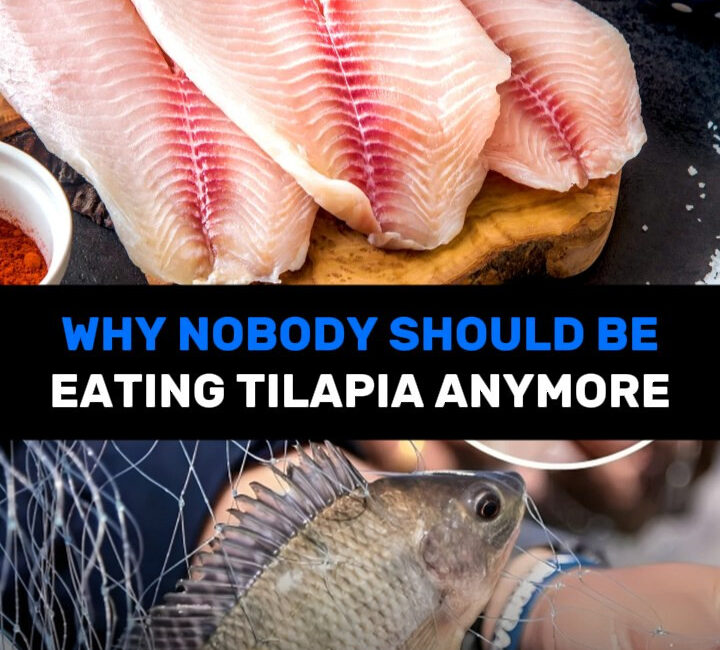
For decades, tilapia has been praised as the perfect “healthy fish.” It’s affordable, mild-tasting, and widely available in supermarkets around the world. Restaurants serve it as a lean protein option, diet plans include it as a low-calorie choice, and home cooks often rely on it as a quick, easy dinner.
But recent discoveries have made many people rethink their relationship with tilapia. What was once marketed as a clean, heart-healthy seafood option may not always live up to its reputation. The truth is that tilapia — especially when sourced from industrial fish farms — may carry hidden risks that could impact your health and the environment in ways few consumers realize.
So if tilapia is still on your plate, you might want to pause for a closer look at where it comes from, how it’s raised, and what it truly means for your body.
The Rise of Tilapia: How It Became a Global Staple
From Ancient Origins to Modern Farms
Tilapia isn’t a new fish. In fact, it has ancient roots. Evidence suggests that tilapia was cultivated as far back as 2,500 years ago along the Nile River in Egypt. Ancient Egyptians even depicted tilapia in hieroglyphics as a symbol of fertility, abundance, and renewal.
Fast forward to the 20th century, and tilapia became one of the fastest-growing aquaculture species in the world. Today, it’s farmed in over 135 countries, with production reaching millions of tons each year.
Its popularity skyrocketed because of several appealing traits:
- It grows quickly.
- It thrives in crowded tanks or ponds.
- It eats a mostly plant-based diet (unlike carnivorous fish like salmon).
- It’s inexpensive to produce and sell.
For consumers, this meant a mild, boneless, versatile fish that was cheap, lean, and easy to cook — everything the modern shopper wanted.
But as demand exploded, the industry changed. Large-scale commercial farming practices replaced small, local operations — and with that shift came a cascade of environmental and health concerns.
What Most People Don’t Know About Farmed Tilapia
1. The Conditions of Industrial Fish Farming
Most tilapia sold in grocery stores doesn’t come from the ocean or a clean river — it comes from intensive aquaculture facilities, primarily in countries such as China, Indonesia, and Honduras.
In these large-scale operations, fish are raised in crowded ponds or tanks, often containing thousands of tilapia in a confined space. These conditions increase the risk of bacterial contamination, poor water quality, and disease outbreaks.
To combat this, some farms resort to using antibiotics, pesticides, and even chemical disinfectants to control bacteria and parasites. Over time, these chemicals can accumulate in the fish and potentially in the people who eat them.
2. The Use of Polluted Water
Investigations into certain tilapia farms, especially in parts of Asia, have revealed troubling practices — such as raising fish in water contaminated with industrial waste or animal manure.
Because tilapia are resilient fish, they can survive in low-oxygen and polluted environments where other species would die. While this makes them economically efficient to raise, it also means that their flesh can absorb harmful compounds from their surroundings.
Studies have shown that tilapia raised in contaminated water may contain traces of heavy metals such as lead, mercury, and arsenic — substances known to harm the nervous system, liver, and kidneys over time.
3. Feeding Practices: What Tilapia Are Really Eating
Wild tilapia feed on algae and aquatic plants, but farmed tilapia diets are very different. In many industrial settings, they are fed cheap, processed feed that may include corn, soy, and sometimes even animal by-products.
This artificial diet can alter the nutritional profile of the fish dramatically. Instead of being rich in beneficial omega-3 fatty acids, farmed tilapia often contain high levels of omega-6 fatty acids, which promote inflammation in the body when consumed in excess.
To make matters worse, some producers use genetically modified (GMO) ingredients or fillers to cut costs, further reducing the quality and natural balance of nutrients in the fish.
4. Chemical Additives and Preservatives
Tilapia is often exported long distances, which means it must be preserved for extended periods. Some processors use carbon monoxide to maintain a fresh-looking pink hue in the flesh, even if the fish is old or oxidized.
While this doesn’t necessarily make the fish toxic, it can mask spoilage and give consumers the false impression of freshness.
In other cases, sodium tripolyphosphate (STPP) — a chemical used to retain moisture — is added to frozen tilapia fillets. Excessive STPP consumption has been linked to kidney strain and phosphate imbalance in the body.
The Nutritional Truth: Is Tilapia Really Healthy?
Tilapia is frequently marketed as a “lean protein source,” often recommended as an alternative to red meat or fattier fish. But is it really the healthy choice it’s made out to be?
1. Protein Content
It’s true that tilapia is high in protein. A 100-gram (3.5-ounce) serving provides about 26 grams of protein and only 130 calories, making it a good source of lean muscle-building nutrition.
However, protein quality isn’t everything — the balance of fatty acids and the overall nutrient composition matter just as much.
2. Omega-3 vs. Omega-6 Fatty Acids
Here’s where the problem begins.
Healthy fish like salmon, mackerel, and sardines are celebrated for their omega-3 fatty acids, which reduce inflammation, protect heart health, and support brain function.
Farmed tilapia, on the other hand, contains very low levels of omega-3s but an abundance of omega-6 fatty acids.
This creates a nutritional imbalance. When the ratio of omega-6 to omega-3 is too high, it can increase inflammation, which is associated with chronic conditions such as:
- Heart disease
- Type 2 diabetes
- Arthritis
- Autoimmune disorders
A diet heavy in omega-6 and low in omega-3s can also contribute to mood swings, cognitive decline, and metabolic stress.
In fact, research once suggested that eating farmed tilapia could cause more inflammation than eating bacon or hamburgers — a shocking comparison that contradicts its “healthy fish” image.
3. Fat Quality and Heart Health
Not all fats are created equal. The fats in tilapia depend largely on what the fish are fed. Farmed fish fed a grain-heavy diet develop more saturated and omega-6 fats, while wild fish tend to be richer in omega-3s and beneficial lipids.
This means that, unlike wild salmon or sardines, tilapia may not offer the cardioprotective benefits consumers expect from seafood.
4. Vitamin and Mineral Content
Tilapia does contain several important nutrients, including:
- Vitamin B12 – crucial for red blood cell formation and brain health
- Selenium – a trace mineral that supports antioxidant defenses
- Phosphorus and potassium – essential for bone and heart function
However, these benefits can be overshadowed if the fish contains chemical residues or heavy metals, which may negate its positive effects.
Environmental Impact: The Hidden Cost of Cheap Fish
The affordability of tilapia comes at a cost that extends far beyond the supermarket checkout line.
1. Water Pollution and Waste
Large-scale tilapia farms often produce significant waste. Uneaten feed, fish excrement, and chemicals used in farming can pollute nearby waterways, creating oxygen-deprived “dead zones” where few aquatic species can survive.
This pollution can harm ecosystems, displace native fish, and contaminate local water supplies.
2. Habitat Destruction
In some regions, forests and wetlands are cleared to make room for aquaculture ponds. This not only destroys wildlife habitats but also contributes to soil erosion, biodiversity loss, and climate change.
3. Escaped Fish and Invasive Species
Tilapia are hardy survivors. When they escape from fish farms into natural habitats, they can outcompete native species for food and breeding grounds.
In many parts of Africa, Asia, and Latin America, escaped tilapia populations have caused ecological imbalances, disrupting delicate aquatic ecosystems.
The Antibiotic Problem: A Growing Threat
Industrial tilapia farming relies on antibiotics to control disease outbreaks in crowded conditions. The overuse of these drugs contributes to the rise of antibiotic-resistant bacteria — a major global health crisis.
When humans consume fish containing antibiotic residues, it can disrupt gut microbiota and weaken resistance to infections. Over time, antibiotic resistance can make medical treatments less effective, putting public health at risk.
This isn’t just a personal concern; it’s an issue of food safety, environmental protection, and global health responsibility.
The Issue of Traceability and Labeling
One of the biggest challenges in the tilapia industry is lack of transparency.
When you buy a tilapia fillet at the grocery store, do you know where it came from? Was it raised in clean water, or was it imported from a poorly regulated farm thousands of miles away?
Many consumers are unaware that over 80% of tilapia consumed in North America is imported, primarily from Asia and Central America. Labeling regulations are often weak, and fish may be processed in multiple countries before reaching your plate.
This lack of traceability makes it difficult to ensure consistent safety standards.
Comparing Farmed Tilapia to Wild Fish
Click page 2 for more