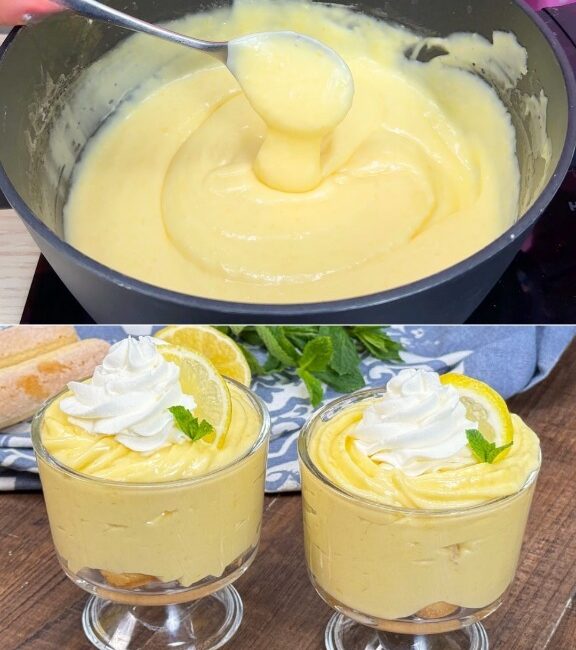
Desserts have always held a special place in culinary traditions around the world. They are not merely a sweet ending to a meal but an experience that delights the senses, evokes emotions, and often tells a story. Among the vast array of desserts, French patisserie-inspired creations are revered for their elegance, complexity, and finesse. One such dessert, the creamy lemon verrine, has gained immense popularity in recent years, offering an irresistible combination of tangy citrus, velvety cream, and crisp, buttery biscuit layers. These individual servings not only look stunning but are also packed with flavor, making them ideal for parties, festive gatherings, or even as a thoughtful homemade gift.
In this comprehensive guide, we will explore every aspect of creating perfect creamy lemon verrines, from understanding the ingredients and their roles, mastering the cooking techniques, to presentation tips and creative variations. Whether you are a professional chef, an aspiring baker, or simply a dessert enthusiast, this article provides all the knowledge you need to create a show-stopping lemon dessert.
What Makes Lemon Verrines So Special?
The term verrine refers to desserts served in small glass containers, allowing the different layers to be visible. This style of dessert has gained popularity for several reasons:
- Visual Appeal: The clear glass showcases the contrasting textures and colors, making it a feast for the eyes before it ever reaches the palate.
- Portion Control: Individual servings are practical for both presentation and consumption, ensuring everyone enjoys the dessert without overindulging.
- Flavor Layering: Combining a citrus cream with a crunchy biscuit base and optional whipped cream creates a dynamic taste and texture experience.
- Versatility: Verrines can be adapted to suit various flavors, dietary preferences, and occasions. Lemon, with its bright acidity and refreshing aroma, is particularly well-suited to these layered desserts.
The creamy lemon verrine combines the tang of fresh lemon juice, the aromatic zest, a smooth custard base, and the crunch of cookies or biscuits. The result is a dessert that is at once refreshing, indulgent, and elegant.
Ingredients Breakdown: Understanding the Role of Each Component
Creating the perfect lemon verrine requires understanding not only the ingredients themselves but also how they interact to produce the desired texture and flavor.
1. Egg Yolks
- Egg yolks are the foundation of the custard, providing richness, color, and emulsification.
- They help thicken the mixture when heated gently, creating the creamy texture characteristic of lemon custards.
2. Sugar
- Sugar balances the tartness of the lemon juice and zest.
- Beyond sweetness, it also contributes to the smooth texture of the custard by interacting with the proteins in egg yolks.
3. Cornstarch (Maïzena)
- Cornstarch acts as a thickening agent, ensuring the custard sets properly without the need for eggs alone.
- It provides stability and helps the lemon cream hold its shape in the verrine.
4. Milk
- Milk is the liquid base, providing a creamy consistency.
- Full-fat milk enriches the custard and prevents it from becoming too light or runny.
5. Lemon Juice and Zest
- Lemon juice brings bright acidity that balances the sweetness of the custard.
- Lemon zest adds aromatic oils, enhancing the citrus flavor and giving depth to the dessert.
6. Butter
- Butter is added at the end to enrich the custard, giving it a glossy, luxurious finish.
- It also helps smooth out any remaining textures and adds a subtle, rich flavor.
7. Biscuits or Cookies
- Crushed biscuits provide a crunchy base that contrasts beautifully with the soft, creamy custard.
- Choices like ladyfingers, shortbread, or digestive biscuits work exceptionally well, absorbing some cream while retaining crunch.
8. Whipped Cream (Chantilly)
- Whipped cream adds lightness and enhances the presentation with a delicate touch.
- It can be sweetened lightly or flavored with vanilla for an extra layer of aroma.
Optional Garnishes
- Lemon slices, mint leaves, or edible flowers elevate the visual appeal and provide a fresh aroma.
Step-by-Step Preparation of Creamy Lemon Verrines
Creating creamy lemon verrines involves careful preparation to achieve the perfect balance of flavor and texture. Let’s go through the process in detail.
Step 1: Preparing the Custard Base
- In a medium saucepan, combine 3 egg yolks, 100 g sugar, and 30 g cornstarch.
- Whisk the mixture until it is smooth and slightly pale in color. This initial step ensures that the sugar dissolves completely and prevents lumps from forming.
- Gradually add 300 ml of milk while whisking continuously. This step is crucial for avoiding curdling and achieving a smooth custard.
Step 2: Cooking the Custard
- Place the saucepan over low to medium heat.
- Stir constantly using a wooden spoon or silicone spatula. Slow, consistent heat is key to prevent the custard from burning or developing lumps.
- Continue cooking until the custard thickens enough to coat the back of a spoon. This may take 8–12 minutes, depending on the stove and heat level.
Step 3: Adding Lemon Flavor
- Once the custard has thickened, remove the pan from heat.
- Incorporate the juice and zest of a fresh lemon, folding gently to combine. The residual heat will help release the aromatic oils from the zest, infusing the custard with vibrant citrus notes.
Step 4: Enriching the Custard with Butter
- Add 20 g of unsalted butter to the mixture while it is still warm.
- Stir until the butter melts completely and the custard becomes glossy and smooth. This step ensures a luxurious mouthfeel and richness in flavor.
Step 5: Preparing the Biscuit Base
- Crush the chosen biscuits into small crumbs.
- Divide the crumbs among individual verrines, creating an even, thin layer at the bottom.
- Press lightly to compact the base without making it too dense, allowing the custard to rest evenly on top.
Step 6: Assembling the Verrines
- Pour the warm lemon custard over the biscuit layer in each verrine.
- Allow the custard to settle for a few minutes before transferring the verrines to the refrigerator.
Step 7: Chilling
- Refrigerate the assembled verrines for 2–3 hours.
- Chilling allows the custard to set properly while letting the flavors meld together.
Step 8: Decorating and Serving
- Just before serving, top each verrine with a dollop of whipped cream (chantilly).
- Garnish with a thin lemon slice and a fresh mint leaf for a visually stunning presentation.
- Serve chilled for the best texture and flavor.
Tips for Achieving the Perfect Lemon Custard
Click page 2 for more