4. Avoid Prolonged Sitting or Standing
Taking breaks to move around prevents blood from pooling and reduces strain on veins. Even simple stretching or walking in place can help.
5. Compression Garments
Compression stockings or sleeves can improve circulation in the legs or arms and reduce swelling and discomfort. These are particularly useful for those prone to varicose veins.
6. Healthy Diet
A diet rich in fiber, low in salt, and full of nutrients like vitamin C, vitamin E, and flavonoids can improve vein health and elasticity. Hydration is also key for proper circulation.
Medical Treatments for Bulging Veins
If bulging veins cause pain, swelling, or cosmetic concern, medical treatments are available:
- Sclerotherapy: A solution is injected into veins, causing them to collapse and fade.
- Laser therapy: Focused light closes off veins, gradually reducing prominence.
- Vein stripping or ligation: Surgical removal of problematic veins.
- Minimally invasive procedures: Techniques like radiofrequency ablation or endovenous laser treatment target larger veins safely.
Healthcare providers can determine which option is most suitable depending on severity, symptoms, and individual health factors.
Myths About Bulging Veins
- “Only overweight people get bulging veins.” False. Thin individuals, athletes, and people with low body fat often have the most visible veins.
- “Bulging veins are always dangerous.” False. Most are harmless, though certain symptoms should be evaluated.
- “Veins can be permanently flattened with exercise.” False. Exercise improves circulation but does not eliminate naturally prominent veins.
Understanding these myths can reduce unnecessary worry and help people make informed choices about vein care.
Psychological and Social Impact
Some people may feel self-conscious about bulging veins, especially on visible areas like the arms or hands. While this is often a cosmetic concern rather than a health issue, it is important to address these feelings:
- Choosing clothing that makes you comfortable
- Using cosmetic options like concealing makeup if desired
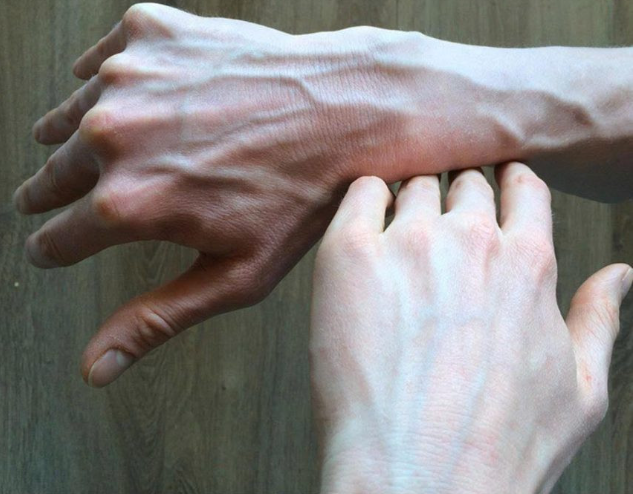
- Recognizing that visible veins are a natural part of anatomy and often indicate good circulation, especially in athletes
Conclusion
Bulging veins are a common and usually harmless phenomenon caused by genetics, age, exercise, low body fat, or temporary changes in circulation. Most of the time, they do not require medical treatment and are primarily a cosmetic concern. However, persistent bulging, pain, swelling, or rapid changes should be evaluated by a healthcare professional.
Healthy lifestyle choices, including regular exercise, weight management, leg elevation, and proper hydration, can support vein health and minimize discomfort. Medical treatments are available for more severe or bothersome cases.
Ultimately, bulging veins are often a natural sign of good circulation, athletic conditioning, or aging and do not necessarily indicate serious health problems. By understanding their causes and monitoring any concerning symptoms, individuals can maintain both vein health and confidence in their appearance.