10 Serious Risks Most People Don’t Know About
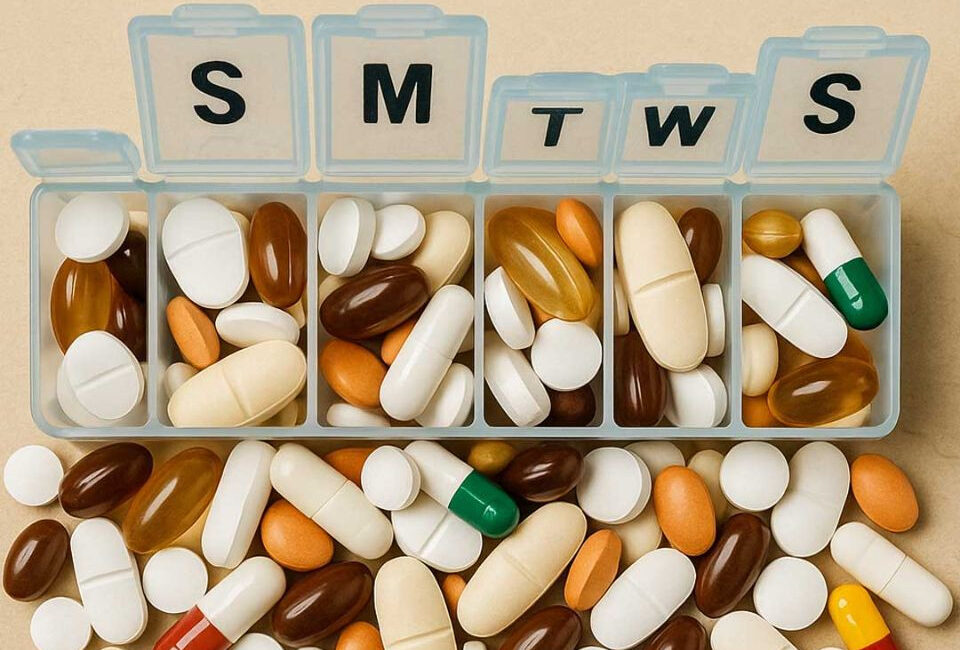
Pill organizers look harmless. Helpful, even. Small compartments, tidy rows, the promise of simplicity in a life already full of things to remember.
So people do what seems logical: they put all their medications together in one box.
Morning pills here.
Night pills there.
Everything visible. Everything “organized.”
And yet, pharmacists and healthcare professionals quietly warn against this practice—not because it’s messy, but because it can be dangerous in ways most people never consider.
Mixing medications in a single container isn’t just a convenience issue. It can affect safety, effectiveness, identification, and even your health outcomes.
Here are ten serious risks that often go unnoticed.
1. Loss of Drug Identification (A Bigger Problem Than It Sounds)
Once pills are removed from their original packaging, they lose their identity.
- No name
- No dosage
- No expiration date
- No instructions
If something goes wrong—side effects, a reaction, a missed dose—you may not be able to identify which pill caused it.
In emergencies, this becomes critical. Medical professionals rely on accurate medication information. A box of mixed pills removes that clarity.
2. Increased Risk of Taking the Wrong Dose
Many medications look similar:
- Same color
- Same size
- Same shape
When pills are mixed together, it’s easy to:
- Take two of the same medication accidentally
- Miss a dose without realizing it
- Confuse “once daily” pills with “as needed” ones
Over time, these small errors can add up—especially with medications that require precise dosing.
3. Chemical Degradation When Pills Are Stored Together
This is one of the least-known risks.
Some medications are sensitive to:
- Moisture
- Air exposure
- Light
- Contact with other substances
When different pills are stored together:
- Coatings can break down
- Potency can decrease
- Stability can be compromised
This means the medication may not work as intended, even if you’re taking it correctly.
4. Cross-Contamination Between Medications
Certain medications leave residue—powder, coating fragments, or oils.
When mixed:
- One medication can contaminate another
- Tiny amounts can transfer unintentionally
- This matters especially for people with allergies or sensitivities
Even trace exposure can be a problem in some cases.
5. Dangerous Interactions Become Easier to Miss
When medications are mixed:
- It’s harder to remember what you’re actually taking
- You may forget to mention a drug to your doctor
- New prescriptions may be added without full awareness
This increases the risk of drug interactions, especially when seeing multiple healthcare providers.
Clear separation helps maintain awareness.
6. Expired Medications Are Harder to Track
Click page 2 to continue