Minced beef cooks quickly.
Organization prevents overcooking.
Step 2: Heat the Pan
Use a wide skillet.
Add olive oil.
Heat over medium-high.
Oil should shimmer — not smoke.
Step 3: Sauté Aromatics
Add onion.
Cook 2–3 minutes until translucent.
Add garlic and ginger.
Stir 30 seconds.
This builds flavor foundation.
Step 4: Add Minced Beef (Do NOT Wash)
Place beef directly into hot pan.
Do not stir immediately.
Let it sit 2–3 minutes.
This allows browning.
Then break apart gently with a spatula.
Step 5: Brown Properly
Let the meat develop deep brown color.
Avoid constant stirring.
Moisture will release first.
Wait until water evaporates.
Then browning begins.
This step creates umami.
Step 6: Drain Excess Fat (If Needed)
If using higher-fat beef:
Tilt pan slightly.
Spoon out excess fat.
Do not rinse.
Step 7: Add Vegetables
Add carrot, zucchini, bell pepper.
Cook 5–7 minutes.
Vegetables should soften but retain slight texture.
Step 8: Season
Add:
- Tomato paste
- Cumin
- Paprika
- Oregano
- Salt
- Pepper
Stir well.
Cook 2 more minutes to develop flavor.
Step 9: Final Taste Adjustment
Adjust salt and spices.
Add chili flakes if desired.
Turn off heat.
Garnish with parsley.
🍽 Serving Ideas
- Over brown rice
- Stuffed into whole wheat pita
- Inside lettuce wraps
- On top of baked sweet potato
- Mixed into scrambled eggs
🧬 Nutritional Balance of This Meal
Minced beef provides:
- Complete protein
- Iron
- Zinc
- Vitamin B12
Vegetables provide:
- Fiber
- Antioxidants
- Vitamin C
- Phytonutrients
Olive oil provides:
- Healthy monounsaturated fats
Balanced plate = sustained energy.
⚖️ Lean vs Regular Minced Beef
If weight management matters:
Choose 5–10% fat.
If flavor richness matters:
15–20% fat gives deeper taste.
You can always drain fat.
But you cannot add flavor back once removed.
🧠 Common Mistakes to Avoid
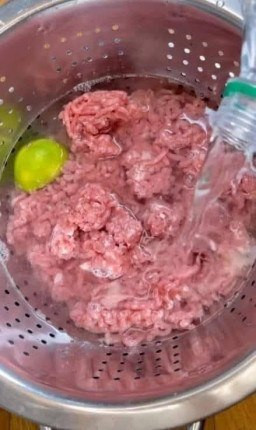
❌ Washing meat
❌ Crowding the pan
❌ Stirring constantly
❌ Cooking on low heat (leads to steaming)
❌ Overcooking (becomes dry)
🛑 Special Safety Note
If minced beef smells:
- Sour
- Ammonia-like
- Slimy
Discard it.
Do not rinse and attempt to “save” it.
Spoilage cannot be reversed.
🏁 Final Verdict
Should you wash minced beef?
No.
Washing:
- Does not remove bacteria
- Spreads contamination
- Ruins texture
- Prevents browning
- Reduces flavor
Proper cooking destroys harmful bacteria safely.
Heat is your protection.
Not water.
Minced beef is best handled with:
Cold storage.
Clean surfaces.
Thorough cooking.
Good technique.
When treated properly, it becomes:
Rich.
Savory.
Deeply satisfying.
And now you know both the science and the method.
Your kitchen just became safer — and tastier.