The world of home décor is constantly evolving, but one trend continues to dominate interior design magazines, luxury apartments, cozy homes, and creative social media feeds alike: boho wall décor. Rich textures, handcrafted details, natural fibers, earthy palettes, and artistic freedom have transformed the bohemian style from a niche aesthetic into one of the most desired home decoration movements in modern interior design.
What makes boho décor especially powerful is that it feels personal. Unlike mass-produced decorations that appear identical in every home, bohemian design celebrates imperfection, craftsmanship, softness, and individuality. It invites warmth into a room. It creates emotion through texture. And surprisingly, some of the most beautiful boho wall hangings are made from the simplest and cheapest materials imaginable.
One of the most unexpected DIY trends taking over creative home decorating is the transformation of ordinary white cotton mop heads into luxurious textured wall tapestries. At first glance, a cotton mop may seem like the last object anyone would associate with elegant interior styling. Yet when softened, unraveled, arranged, dyed, and artistically layered, those humble fibers become stunning cascading wall art that resembles expensive handcrafted macramé sold in boutique décor stores.
This project is more than a simple craft. It is a complete home transformation experience that combines creativity, sustainable living, budget-friendly decorating, textile artistry, and modern bohemian design into one rewarding DIY masterpiece.
Using just four inexpensive supplies — white cotton mop heads, a wooden dowel, natural jute twine, and optional fabric dye — anyone can create a dramatic wall tapestry that instantly elevates a bedroom, living room, office, studio apartment, reading nook, or creative workspace.
The beauty of this project lies not only in its affordability but also in its flexibility. Every single tapestry becomes unique. No two creations will ever look exactly the same because the strands naturally flow differently, absorb dye uniquely, and react to styling in organic ways. This handcrafted appearance is precisely what makes bohemian décor so irresistible.
From luxurious neutral interiors to rustic farmhouse aesthetics, Scandinavian minimalism, earthy modern homes, and eclectic artistic spaces, this textured wall hanging blends seamlessly into countless design themes while maintaining its own bold visual personality.
Why Boho Wall Tapestries Became One of the Biggest Interior Design Trends
To understand why this DIY project is generating so much excitement, it is important to understand the rise of bohemian home design itself.
Modern life often feels overwhelming, digital, cold, and overstimulating. As a result, many people are craving homes that feel softer, calmer, and emotionally comforting. The boho aesthetic answers that need perfectly by emphasizing natural materials, warm textures, earthy tones, handmade craftsmanship, and layered comfort.
A boho wall tapestry does something unique that framed artwork often cannot achieve. Instead of simply decorating a wall visually, it changes the atmosphere of the room physically. Textiles soften hard surfaces. Fibers absorb sound. Organic movement creates warmth. Texture adds depth. The entire environment begins to feel more peaceful and welcoming.
This is why luxury interior designers increasingly use woven wall art, oversized fiber installations, and layered textile décor in high-end homes, boutique hotels, wellness spaces, and modern apartments.
However, authentic handcrafted tapestries can cost hundreds or even thousands of dollars depending on their size and complexity. That is exactly why creative DIY alternatives have exploded in popularity. People want the expensive designer look without the luxury price tag.
And remarkably, cotton mop heads provide one of the best hidden materials for achieving that effect.
The Unexpected Genius of Using Cotton Mop Heads
At first, the idea sounds almost unbelievable. How can cleaning supplies possibly become elegant wall art?
The answer lies in the structure of cotton fibers themselves.
White cotton mop heads are made from long absorbent strands designed to remain durable, flexible, and soft. Those same qualities make them perfect for textile art projects. Once boiled and unraveled, the fibers transform dramatically.
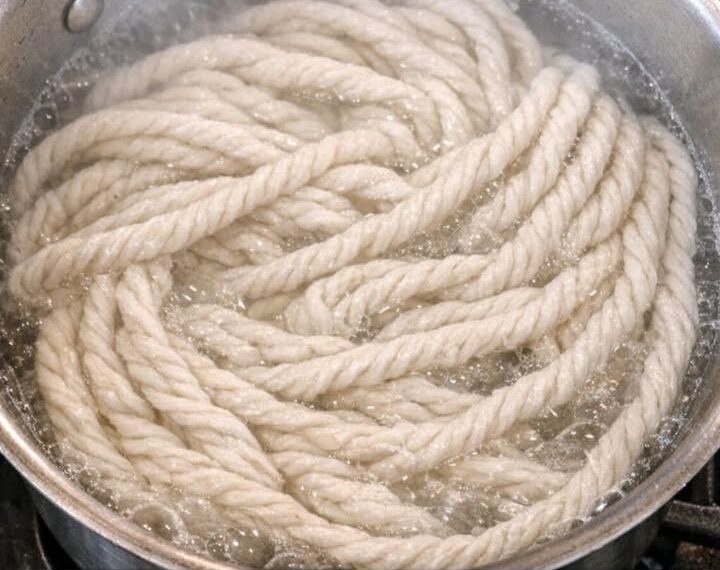
The boiling process softens the cotton even further while helping remove stiffness and manufacturing residue. After cooling, the strands separate into flowing organic textures that resemble premium macramé cord or artisan weaving fibers.
Because the strands already come grouped together, the project becomes much easier and cheaper than buying large quantities of traditional macramé rope. A single mop head contains an enormous amount of usable cotton fiber, making this one of the most budget-friendly home décor hacks imaginable.
The transformation feels almost magical:
- Cheap cleaning material becomes luxury-inspired wall art
- Functional household supplies become artistic statement pieces
- Everyday fibers become soft cascading textures worthy of designer interiors
This dramatic contrast is part of what makes the project so satisfying.
The Psychology of Texture in Interior Design
One reason this DIY tapestry looks far more expensive than its actual cost is because texture plays a major role in how humans perceive luxury.
In interior design psychology, texture creates emotional richness. Spaces that contain multiple tactile surfaces feel more sophisticated and visually layered than flat environments.
Think about luxury hotels or upscale designer homes. They rarely rely on plain walls and smooth furniture alone. Instead, they combine:
- Linen
- Cotton
- Wood
- Wool
- Stone
- Leather
- Woven materials
- Organic fibers
These textures create visual complexity and sensory warmth.
A boho tapestry made from softened cotton strands introduces movement and softness into a room instantly. The strands sway gently with airflow, creating subtle motion that makes the space feel alive and relaxed.
This is especially valuable in modern apartments dominated by hard materials like concrete, tile, glass, metal, and electronics. Textile wall art balances those cold surfaces beautifully.
Materials Needed for the DIY Boho Tapestry
One reason this project became viral among DIY enthusiasts and interior decorators is because the supply list is incredibly simple and affordable.
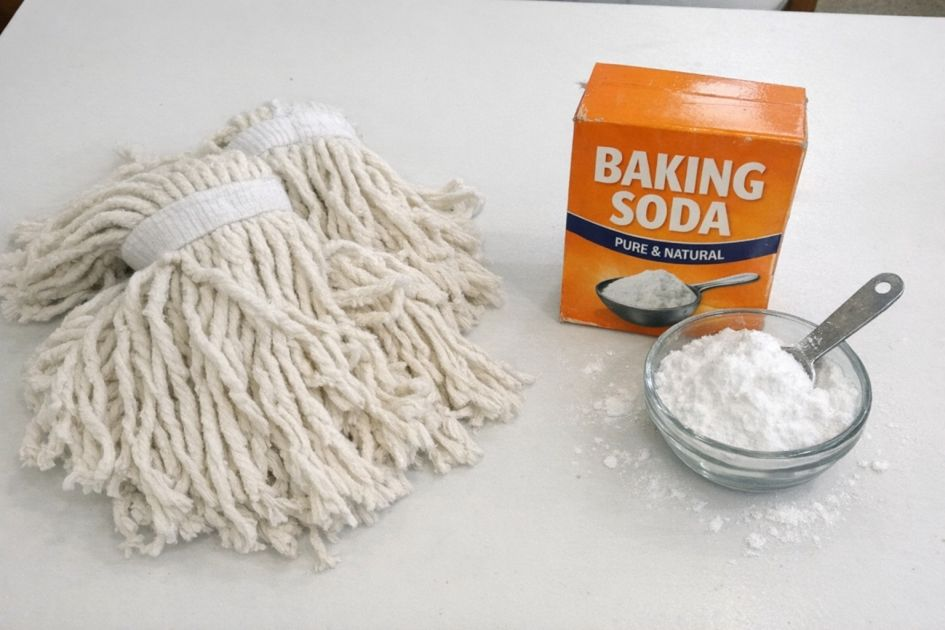
Materials
- 2 white cotton mop heads
- 1 wooden dowel (36 inches long)
- 10 feet of natural jute twine
- Fabric dye (optional)
That is all.
Despite this minimal material list, the final result can look remarkably luxurious and professionally crafted.
Step One: Boiling the Cotton Mop Heads
The first stage is surprisingly important because it determines the final softness and flow of the tapestry.
Place the white cotton mop heads into a large pot of boiling water and allow them to simmer for approximately 15 to 20 minutes.
This process serves several purposes:
Fiber Softening
Boiling relaxes the cotton fibers, making them softer and easier to separate.
Removing Residue
Manufacturing chemicals, stiffness agents, and dust are removed during boiling.
Improving Texture
The cotton develops a more natural drape and movement after being heated.
Preparing for Dye
If fabric dye will be used later, softened fibers absorb color more evenly.
After boiling, carefully remove the mop heads and allow them to cool completely.
Already at this stage, the material begins looking less like a household cleaning tool and more like a bundle of artisan textile fibers.
Step Two: Unraveling the Fibers
Once cooled, the mop heads should be gently unraveled into long strands.
This step requires patience because the beauty of the final tapestry depends largely on how the strands separate and flow naturally.
Some strands may remain thicker while others become airy and feathered. This variation actually improves the bohemian appearance because perfect uniformity often looks artificial.
As you unravel the fibers, you will notice how dramatically the texture changes:
- Dense cotton transforms into soft flowing fringe
- Thick ropes become delicate cascading strands
- The mop begins resembling luxury woven décor
This transformation is often the moment people become fully obsessed with the project.
Step Three: Preparing the Wooden Dowel
The wooden dowel serves as the structural base of the tapestry.
A natural wood finish works beautifully because it complements the earthy bohemian aesthetic. However, the dowel can also be customized in many ways:
- Sanded for a smooth Scandinavian appearance
- Stained darker for rustic farmhouse style
- Painted black for modern minimalist interiors
- Wrapped with jute for extra texture
- Replaced with driftwood for organic coastal vibes
The length of the dowel determines the overall width of the tapestry. A 36-inch dowel creates a balanced statement piece large enough to serve as a focal point without overwhelming smaller rooms.
Step Four: Attaching the Cotton Strands
This stage is where the artistry truly begins.
Each cotton strand should be tied securely onto the wooden dowel while spacing them evenly across the length.
There is no single correct way to arrange the strands. The beauty of boho design comes from organic imperfection.
Some people prefer symmetrical arrangements with evenly trimmed ends. Others prefer dramatic uneven layers with wild flowing movement.
Popular styling techniques include:
- V-shaped cuts
- Curved silhouettes
- Layered lengths
- Thick center sections
- Sparse airy edges
- Braided sections
- Twisted knots
The tapestry begins taking shape rapidly during this stage, and the visual impact becomes immediately noticeable.
Step Five: Adding Fabric Dye for a Luxury Designer Effect
Although natural white cotton looks stunning on its own, fabric dye introduces even more artistic potential.
Dip-dyeing the ends creates a beautiful gradient effect often seen in expensive boutique décor collections.
Popular color choices include:
- Terracotta
- Sand beige
- Clay
- Rust
- Sage green
- Dusty rose
- Burnt orange
- Warm caramel
- Charcoal gray
- Muted mustard
Gradient dyeing works especially well because it creates depth and movement without overwhelming the natural texture of the fibers.
For a more dramatic artistic appearance, tie-dye techniques can also be used. This produces a more eclectic and free-spirited aesthetic ideal for creative spaces.
Why Neutral Tones Work Best in Boho Interiors
One reason neutral-colored tapestries feel so luxurious is because earthy palettes create visual calm.
Interior designers often use neutral fibers because they:
- Reflect natural light softly
- Pair easily with wood and greenery
- Make rooms feel larger
- Create a peaceful atmosphere
- Age gracefully over time
White cotton especially provides a cloud-like softness that instantly brightens a room while maintaining warmth.
This explains why cream, ivory, beige, and natural cotton tones dominate premium bohemian interior collections.
Step Six: Creating Hanging Loops With Jute Twine
Natural jute twine completes the organic aesthetic beautifully.
The twine should be tied securely to each end of the dowel to create hanging loops.
Jute adds several important design benefits:
Earthy Texture
Its rough organic appearance contrasts beautifully with the softness of the cotton fibers.
Rustic Warmth
Natural rope instantly creates a handmade artisan feeling.
Visual Balance
The structured twine balances the flowing movement of the tapestry strands.
This small detail significantly elevates the final look.
The Emotional Satisfaction of Handmade Home Décor
One reason DIY projects continue growing in popularity is because handmade items create emotional connection.
When people create something with their own hands, the finished object carries memories, effort, creativity, and personal expression.
Unlike mass-produced décor purchased quickly online, handcrafted pieces feel meaningful.
Every strand tied onto the dowel becomes part of the creator’s artistic process. Every imperfection tells a story. Every variation makes the piece unique.
This emotional connection changes how people experience their homes.
Rooms begin feeling more personal, comforting, and authentic.
Best Places to Hang a Boho Wall Tapestry
One of the greatest strengths of this DIY project is versatility.
The tapestry works beautifully in many areas of the home.
Living Room
Click page 2 to continue