When the showy yellow, white or orange blossoms on your daffodils start to droop and fade, it might be tempting to rush in with shears, clear away foliage, tidy the bed and move on. But that impulse can undermine the plant’s ability to store energy, replenish nutrients and prepare for the next cycle. Think of the bulb as a storage battery: the leaves, stems and roots right after bloom are working hard to recharge it.
If you cut away leaves too early, skip fertilising, ignore overcrowded bulbs or disrupt the root zone, you risk “flower fatigue” next season—smaller blossoms, fewer stems, lost vigour. By contrast, when you follow a full post‑bloom maintenance protocol, you increase your chances of robust, consistent displays year after year. Below are ten critical actions you must take after your daffodils bloom to maximise their potential.
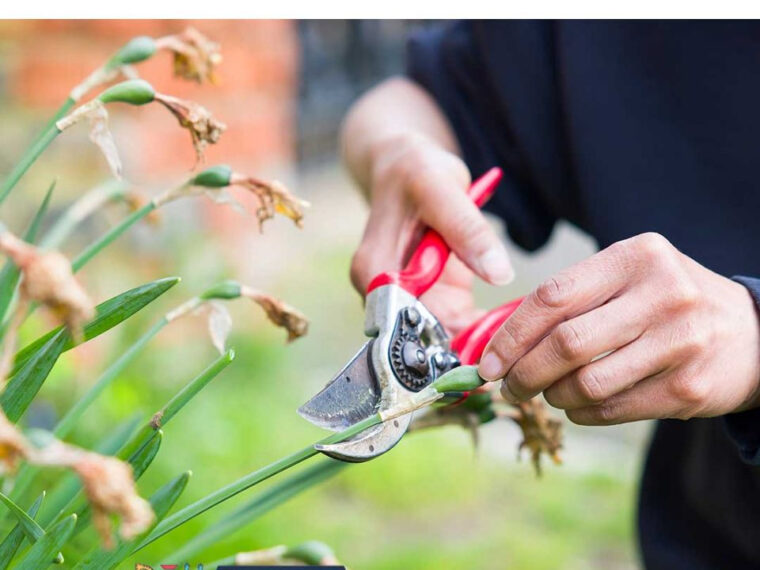
1. Deadhead the Spent Flowers Immediately
Why this is critical: As the blossoms fade, the seed pods start forming. If you leave them intact, the plant will divert energy into seed production instead of storing it in the bulb for next year’s flowers.
How to do it:
- Wait until the petals wilt and the trumpet/cup begins to fade.
- Using clean, sharp snips or simply pinch with your thumb and forefinger, remove the flower head just below the seed pod swelling.
- Avoid disturbing the leaves or twisting stems forcibly; maintain the foliage intact.
This small step is a foundational pillar for “spring‑flowering bulb maintenance.”
2. Let the Leaves Continue Their Green Life for 6–8 Weeks
Key concept: After bloom, the leaves are performing photosynthesis—converting sunlight into sugars stored in the bulb. Cutting them early steals the bulb’s energy‑charging phase.
Best practice:
- Resist all urges to tie up, fold, braid or prematurely cut the foliage.
- Let the leaves naturally yellow and die back over 6 to 8 weeks (or longer depending on climate).
- If aesthetics are a concern, plant low‑growing perennials or annuals that rise up later in the season and hide the foliage rather than cutting it.
In effect, you’re allowing your bulb to finish “its business” so it can be ready for next spring.
3. Monitor and Adjust Watering
Your daffodils still need moisture while the leaves are functioning and the roots are active.
Guidelines:
- Continue watering if your region is dry—approximately one inch of water per week (adjust for soil type: sandy soils need more frecuently; clay soils less).
- Once the foliage fully yellows, reduce watering significantly—during summer dormancy the bulbs prefer drier conditions.
- Avoid soggy soil while dormant: excess moisture can lead to bulb rot.
This step ensures proper root system health and avoids moisture‑related problems.
4. Apply the Right Fertiliser at the Right Time
Why this matters: Your bulbs have just used up resources to bloom. Replenishing nutrients ensures they’re primed for next year’s performance.
What to consider:
- Once blooms fade and leaves are still green, apply a low‑nitrogen fertiliser or one formulated for bulbs (for example, a higher‑phosphate/potassium blend).
- Avoid high‑nitrogen formulas that promote leafy growth at the expense of flowering potential.
- Do not fertilise after foliage dies back—not while dormancy sets in.
This nutrient‑cycling strategy supports “bulb bed optimisation” and long‑term bloom vitality.
5. Mulch and Soil Care After Bloom
Adding mulch and maintaining soil structure around your bulbs is a smart strategy for insulation, weed suppression, and moisture regulation.
Instructions:
- After the last bloom, apply a 1–2 inch layer of organic mulch (shredded leaves, compost, bark chips) around—but not directly on top of—the bulb foliage.
- Keep mulch away from the stem bases to avoid fungal issues.
- Lightly aerate soil surface if compacted, being careful not to dig into bulbs.
Healthy soil structure supports “perennial bulb resilience” and contributes to year‑after‑year success.
6. Control Weeds and Maintain Clear Bulb Beds
Weeds are not just unsightly—they compete for nutrients, space, and resources needed by the bulbs.
Action items:
- Remove weeds carefully from the bed without disturbing or lifting the bulbs.
- Use mulch to suppress new weeds.
- If you overplant perennials or grasses in the same bed, plan their cycles so they don’t interfere with the bulb’s spring and summer growth.
By maintaining a clean bed you optimise conditions for daffodil bulbs, enhancing “flowering efficiency” for next season.
7. Observe and Address Bulb Crowding—Divide if Necessary
Overcrowded bulbs produce fewer or smaller blooms. Monitoring clumps is essential for long‑term bloom health.
Signs of overcrowding:
- Diminished bloom size or number after several years
- Bulbs pushing each other out of soil surface
- Foliage emerging late or sparse
What to do:
- Once foliage has completely died back and soil is workable (often late spring/early summer), lift the bulb clump carefully.
- Separate healthy bulbs from daughter bulbs; discard soft or diseased ones.
- Replant at proper spacing (typically 2–3 times bulb height deep, 3–6 inches apart) or distribute to new beds.
This process, often called “bulb division,” sustains strong bloom performance and supports “garden bed renewal.”
8. Mark or Plan Next‑Year Placements Before a Busy Summer
Because the green foliage often fades into summer, it’s smart to map out where your bulbs are planted—especially if you plan to reuse the space or add new plants.
Tips:
- Insert a discreet garden marker (metal or biodegradable) near the bulb cluster before the area goes dormant.
- Note the location with garden diagram or phone app.
- If you want to plant something in the bulb’s spot for summer, wait until foliage is fully yellowed, then lift the bulbs and store temporarily.
This organisational step is about “strategic perennial planning” and avoids inadvertently damaging bulbs later.
9. Monitor Pest and Disease After Bloom
Even though the flowers are gone, bulbs and foliage remain vulnerable to pests and disease.
Key checks:
- Inspect for bulb rot or fungal signs: mushy bases, unpleasant odour, discoloured scales.
- Watch for bulb‑eating mammals (mice, voles) which may dig in once the flowers vanish.
- Keep the bed dry and avoid heavy watering during dormancy to reduce fungal risks.
- Remove any yellowed or decaying foliage promptly once fully collapsed to avoid fungal spore build‑up.
Good “bulb bed hygiene” now protects next spring’s performance.
10. Prepare for Dormancy and Next Season’s Growth
Click page 2 for more