A Moist Lemon Cake, or Cake au Citron Moelleux, is far more than just a dessert. It’s a promise of freshness, comfort, and pure joy. With its delicate texture, sunny aroma, and golden crust, this cake is one of those timeless classics that never go out of style. Every bite brings the perfect harmony between the tangy brightness of lemon and the comforting sweetness of butter and sugar.
In this article, we’ll dive deep into the art of making the perfect moist lemon cake—from the role of each ingredient to the secrets of achieving a light, fluffy texture. You’ll also find expert tips, delicious variations, presentation ideas, and everything you need to transform a simple homemade cake into a show-stopping creation worthy of a bakery window.
🍋 Why Moist Lemon Cake Is a Timeless Favorite
Some cakes are more than recipes—they’re memories. The smell of a lemon cake baking in the oven can instantly transport you to a cozy Sunday afternoon, a childhood kitchen, or a sunny family gathering.
What makes the lemon cake so beloved is its perfect balance of flavors. Lemon brings brightness and a refreshing tang that cuts through the richness of butter and sugar. The result is not too sweet, not too sour—just pure perfection.
Another reason for its popularity is its versatility. A moist lemon cake is ideal for breakfast, brunch, afternoon tea, or dessert. It’s easy to transport, keeps well, and pairs beautifully with countless toppings—icing, whipped cream, fruits, or simply a dusting of powdered sugar.
This is a dessert that never fails to please, no matter the season or the occasion.
🧾 The Essential Ingredients
Every ingredient in this cake has a purpose. Together, they create the perfect balance of structure, flavor, and moisture. Here’s a closer look at each one and why it matters.
1. Eggs
Eggs give the cake structure, richness, and moisture. When beaten with sugar until pale and foamy, they trap air in the batter—this air expands during baking, creating a soft, light crumb. This step is key to achieving that melt-in-your-mouth texture.
2. Sugar
Sugar does much more than sweeten. It helps the cake brown beautifully, retains moisture, and balances the acidity of the lemon. The right amount—150 grams in this recipe—ensures a perfectly balanced flavor: sweet but never cloying.
3. Melted Butter
Butter is what gives the cake its luscious, tender crumb and rich aroma. Using melted butter instead of softened butter produces a denser yet incredibly moist texture. For a sophisticated twist, try using salted butter—the hint of salt enhances the lemon’s brightness.
4. Milk
Milk adds softness and binds the ingredients. It also tempers the acidity of the lemon juice, ensuring a smooth, silky batter. Some bakers replace part of the milk with cream for extra richness.
5. Lemon Juice and Zest
The star of the show. Both the juice and zest of one large lemon are used in this recipe. The juice brings a lively acidity that awakens the palate, while the zest infuses the cake with aromatic oils. Always use unwaxed, organic lemons since you’ll be using the peel.
6. Flour
Flour provides structure and stability. A standard all-purpose flour works best. Sifting it before adding to the batter helps prevent lumps and keeps the cake light.
7. Baking Powder
The leavening agent that makes the cake rise and keeps it airy. Mix it well with the flour before adding to the wet ingredients to ensure even distribution.
8. Salt
A pinch of salt may seem insignificant, but it makes a world of difference. It enhances the overall flavor and balances the sweetness.
9. Optional Glaze or Icing
A simple glaze made from powdered sugar and lemon juice adds shine, tang, and a bakery-style finish. Alternatively, dust the cooled cake with a little powdered sugar for an elegant minimalist look.
👩🍳 Step-by-Step Preparation
This recipe is simple but benefits from care and patience. Follow these steps for guaranteed success.
1️⃣ Prepare the Batter
In a large mixing bowl, whisk together 3 eggs and 150 g of sugar until the mixture turns pale and fluffy. This process incorporates air, which gives your cake its light texture.
Next, pour in 100 g of melted butter and 100 ml of milk. Mix until fully combined.
Add the juice and zest of one large lemon. The batter should now have a fragrant citrus aroma that fills your kitchen.
2️⃣ Combine the Dry Ingredients
In a separate bowl, mix 200 g of flour, 1 packet (about 10–11 g) of baking powder, and a pinch of salt.
Gradually fold this dry mixture into the wet ingredients using a spatula or wooden spoon. Mix gently until smooth and uniform, but don’t overmix—too much stirring can make the cake dense.
3️⃣ Bake
Preheat your oven to 180°C (350°F).
Grease and flour a loaf pan, or line it with parchment paper for easy release.
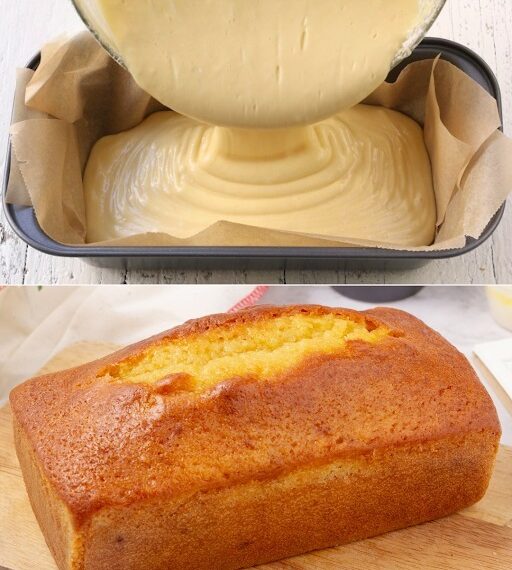
Pour in the batter and smooth the top with a spatula. Bake for 35 to 40 minutes, or until golden brown and a knife inserted in the center comes out clean.
Allow the cake to cool slightly before removing it from the pan.
4️⃣ Finish (Optional)
While the cake is still warm, drizzle it with a mixture of sweetened lemon juice to make it extra moist.
For a glossy finish, whisk together powdered sugar and lemon juice to create a glaze and pour it over the cooled cake. It will harden into a slightly crisp, tangy topping.
🌞 Secrets to the Perfect Lemon Cake
Even though this recipe is simple, there are a few key tips that make the difference between a good lemon cake and an unforgettable one.
🔹 1. Use Room-Temperature Ingredients
Cold eggs or milk can cause the butter to solidify, resulting in a lumpy batter. Let all ingredients come to room temperature before mixing.
🔹 2. Don’t Overmix
Once you’ve added the flour, mix only until everything is combined. Overmixing activates gluten, which makes the cake chewy instead of tender.
🔹 3. Grate Lemon Zest Finely
Avoid the bitter white pith under the skin. Only the yellow part contains the fragrant oils that give the cake its fresh aroma.
🔹 4. Watch the Baking Time
Every oven is different. Check the cake after 30 minutes—if the top is browning too quickly, cover it loosely with foil to prevent over-browning.
🔹 5. Let the Cake Rest
Click page 2 for more