For thousands of years, humanity has searched for ways to preserve youthful skin. Long before laboratories, dermatology clinics, and modern cosmetic procedures existed, people relied on plants, oils, and natural ingredients to care for their bodies. Many of these botanical traditions were passed down from generation to generation, forming the foundation of natural skincare practices that still inspire people today.
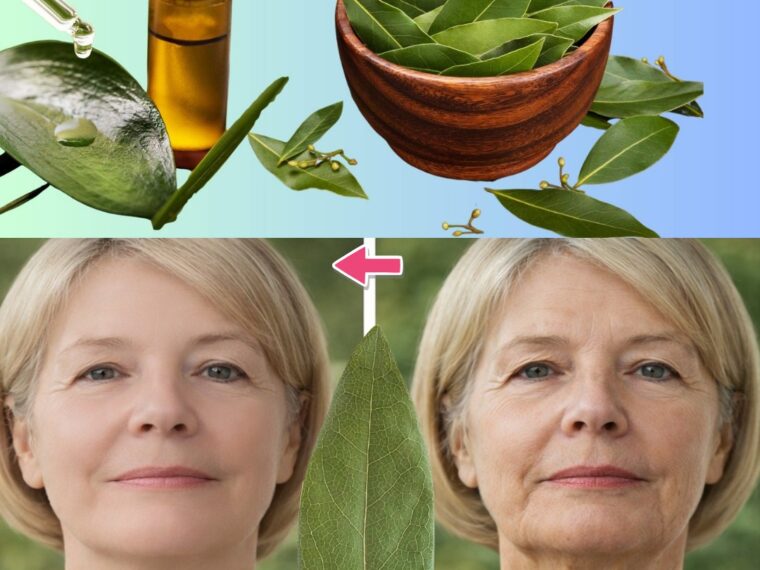
Among these ancient botanical ingredients, the humble bay leaf holds a surprisingly rich place in history. Known primarily as a culinary herb used to flavor soups and sauces, bay leaves have also been part of beauty rituals in many cultures. Herbal traditions from the Mediterranean, North Africa, and parts of Europe have long associated bay leaf infusions and oils with skin vitality, circulation, and rejuvenation.
In recent years, bay leaf has gained renewed attention in natural beauty circles. Many people share stories of using bay leaf preparations—such as infusions, facial rinses, or herbal oils—to help improve the appearance of their skin. These practices often center around the belief that the plant’s natural compounds can support smoother, more radiant skin even later in life.
While modern skincare continues to evolve with advanced treatments and cosmetic technologies, interest in plant-based beauty remedies remains strong. The appeal is easy to understand: natural ingredients feel closer to the rhythms of the earth, and many people enjoy the simplicity of traditional methods.
Exploring the beauty traditions surrounding bay leaf reveals not only its place in herbal skincare but also a broader story about how people across centuries have sought to care for their skin using the resources available in nature.
The Historical Significance of Bay Leaf
The bay leaf comes from the evergreen tree Laurus nobilis, native to the Mediterranean region. The plant has been cultivated since ancient times for both culinary and medicinal purposes. In classical antiquity, bay leaves symbolized honor, victory, and wisdom.
Ancient Greek and Roman societies used laurel wreaths—crafted from bay branches—to crown poets, scholars, and champions. These wreaths became symbols of achievement and excellence. The plant’s association with strength and vitality contributed to its reputation as a powerful natural ingredient.
Beyond symbolism, herbal practitioners of the time valued bay leaves for their aromatic oils and therapeutic properties. Infusions made from the leaves were used in baths, compresses, and herbal treatments intended to refresh the body and stimulate circulation.
These traditions gradually evolved into beauty rituals. Herbal baths infused with bay leaves were believed to cleanse and invigorate the skin, while bay oil preparations were sometimes used in massages designed to promote relaxation and skin vitality.
Across generations, these practices helped establish bay leaf as more than just a kitchen ingredient—it became part of a broader tradition of botanical self-care.
Natural Compounds Found in Bay Leaves
One reason bay leaves have attracted attention in beauty traditions is their rich composition of natural plant compounds. These compounds contribute to the plant’s distinctive aroma and potential benefits for skin care.
Bay leaves contain essential oils, antioxidants, and plant-derived molecules that interact with the skin in various ways. Among the most notable components are eugenol, cineole, and flavonoids.
Essential oils extracted from bay leaves are responsible for the plant’s warm, slightly spicy fragrance. These oils are known for their stimulating qualities and are sometimes included in skincare formulations intended to support circulation and refresh the skin.
Flavonoids, a group of plant antioxidants found in bay leaves, help protect plant cells from environmental stress. In skincare contexts, antioxidants are valued for their ability to support the skin’s natural defenses against environmental factors such as pollution and sunlight.
Together, these compounds contribute to the enduring belief that bay leaves can support healthy-looking skin.
Traditional Beauty Rituals Using Bay Leaves
Throughout history, bay leaves have appeared in numerous traditional beauty practices. These rituals often involved simple preparations made from readily available ingredients.
One common practice involved preparing a bay leaf infusion. The leaves were simmered in water to release their aromatic compounds, creating a fragrant herbal liquid. Once cooled, this infusion could be used as a facial rinse or added to bathwater.
People believed that this aromatic water helped refresh the skin and promote a brighter complexion. The warmth of the infusion combined with the natural properties of the leaves created a soothing ritual that many found relaxing.
Another tradition involved herbal steam treatments. Bay leaves were added to hot water, and the rising steam was allowed to surround the face. The steam helped open pores while carrying the scent of the leaves into the air.
Herbal steam treatments have long been valued in many cultures as a way to cleanse the skin and encourage relaxation.
These simple rituals illustrate how natural ingredients were integrated into daily life long before modern skincare products became widely available.
Bay Leaf Infused Oils for Skin Care
Infused oils are another traditional way to incorporate bay leaves into beauty routines. In this method, dried bay leaves are placed in a carrier oil such as olive oil or almond oil. Over time, the oil absorbs some of the plant’s aromatic compounds.
The resulting infusion can be used as a massage oil or applied sparingly to the skin. In traditional herbal practices, infused oils were often used to soften the skin and support relaxation.
Massage itself plays an important role in many beauty rituals. Gentle facial massage can stimulate circulation and help maintain skin elasticity. When combined with aromatic oils, the experience becomes both soothing and rejuvenating.
The appeal of infused oils lies in their simplicity. With only a few ingredients, they allow people to create their own natural skincare preparations at home.
Facial Steam with Bay Leaves
Facial steaming has long been associated with cleansing and relaxation. When bay leaves are added to the steaming water, the process becomes an aromatic ritual that many people find deeply comforting.
The warmth of the steam opens pores and softens the skin’s surface. This allows impurities to loosen and makes the skin feel refreshed.
To perform a facial steam, dried bay leaves are added to hot water. The face is positioned at a comfortable distance above the bowl, and a towel can be draped over the head to trap the steam.
The experience typically lasts several minutes and can be followed by gentle cleansing or moisturizing.
Many people incorporate facial steaming into their weekly skincare routines as a way to support skin clarity and relaxation.
The Role of Antioxidants in Skin Care
Click page 2 to continue