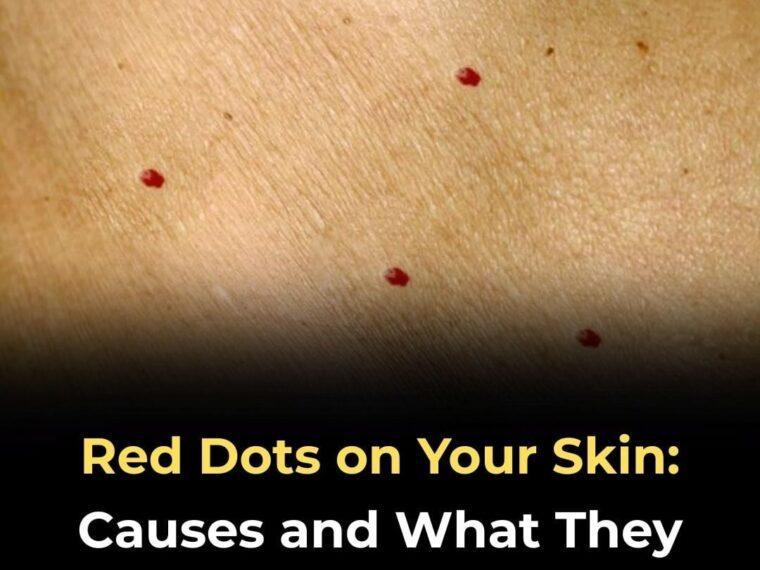
Human skin is an extraordinary organ. It protects the body from external threats, regulates temperature, communicates sensory information to the brain, and reflects what is happening inside the body. Because of these roles, the skin often acts as a visual messenger, revealing changes in health through color, texture, or unusual marks. Among the many signals that the skin can display, one of the most commonly noticed is the appearance of small red dots.
For many people, discovering red dots on the skin can be alarming. They may appear suddenly on the arms, chest, back, or legs, sometimes without pain or itching. Because these marks can vary in size, color, and pattern, they can trigger many questions: Are they harmless? Are they a sign of illness? Do they require medical attention?
The truth is that red dots on the skin can have many different causes. Some are completely harmless and related to normal aging or minor skin irritation. Others may be linked to infections, allergic reactions, or underlying health conditions that require attention. The key to understanding these marks lies in examining their characteristics—how they look, where they appear, and whether they are accompanied by other symptoms.
Exploring the science behind red skin spots reveals how the body communicates internal processes through the surface of the skin. By learning about the different types of red dots, the biological mechanisms behind them, and the situations in which they appear, it becomes easier to understand when they are harmless and when they deserve closer attention.
Why the Skin Develops Red Spots
The red color seen in many skin marks comes from blood vessels located just beneath the skin’s surface. The skin contains a dense network of capillaries, which are tiny blood vessels responsible for delivering oxygen and nutrients to tissues.
When these capillaries expand, rupture, or become inflamed, the red color of blood becomes visible through the skin. This is why many skin conditions appear red.
Several biological processes can create red spots:
- Inflammation
- Minor bleeding under the skin
- Dilated blood vessels
- Immune reactions
- Skin infections
- Allergic responses
Each of these processes produces slightly different visual patterns. The shape, size, and distribution of the red dots help doctors determine their likely cause.
In many cases, red spots are the result of minor issues that resolve on their own. However, because the skin reflects internal body activity, certain patterns of red dots may signal conditions that require medical evaluation.
Cherry Angiomas: The Most Common Cause of Red Skin Dots
One of the most common explanations for small red dots on the skin is a condition known as a cherry angioma. These tiny growths appear as bright red or slightly purple spots, often round and smooth.
Cherry angiomas are made up of clusters of small blood vessels that have expanded close to the surface of the skin. Because these vessels are filled with blood, the spots appear vivid red.
They typically develop on areas such as:
- The chest
- The back
- The arms
- The shoulders
Cherry angiomas are extremely common, particularly in adults over the age of thirty. In fact, many people develop dozens of them over time.
Scientists believe they occur due to a combination of factors, including genetics, aging, and changes in the skin’s vascular structure. Hormonal shifts and environmental influences may also contribute.
Despite their striking appearance, cherry angiomas are harmless. They are not cancerous and do not spread disease.
Some people choose to remove them for cosmetic reasons, but medically they are considered benign skin changes.
Petechiae: Tiny Red or Purple Dots From Broken Capillaries
Another type of red spot that can appear on the skin is known as petechiae. These marks are small, flat dots caused by tiny blood vessels called capillaries breaking under the skin.
When capillaries rupture, a small amount of blood leaks into the surrounding tissue, creating a red or purple spot.
Petechiae often appear in clusters and are usually very small—often no larger than the head of a pin.
They may occur in response to physical strain. For example, intense coughing, vomiting, or heavy lifting can temporarily increase pressure in blood vessels, causing small capillaries to break.
Other potential causes include:
- Minor injuries
- Certain medications
- Viral infections
- Blood clotting disorders
Unlike cherry angiomas, petechiae do not usually rise above the skin surface. They appear flat and may resemble tiny freckles or specks.
In many cases, petechiae resolve on their own as the body reabsorbs the leaked blood.
However, if large numbers of petechiae appear suddenly or are accompanied by symptoms such as fever or fatigue, medical evaluation may be necessary.
Heat Rash: When Sweat Traps Irritate the Skin
In warm climates or during intense physical activity, red dots may appear as part of a condition known as heat rash.
Heat rash occurs when sweat ducts become blocked, trapping sweat beneath the skin. This trapped moisture irritates surrounding tissue, leading to inflammation and small red bumps.
These bumps often appear in areas where sweat accumulates or clothing causes friction, such as:
- The neck
- The chest
- The back
- The armpits
Heat rash is particularly common in hot, humid environments where sweat evaporation is limited.
Although the rash may feel itchy or prickly, it is usually harmless and disappears once the skin cools and sweat glands return to normal function.
Wearing breathable clothing and staying in cool environments can help prevent heat rash from forming.
Allergic Skin Reactions and Red Spots
Allergic reactions can also cause red spots to appear on the skin. When the immune system detects a substance it considers harmful—even if the substance is harmless—it triggers an inflammatory response.
This reaction releases chemicals such as histamine, which causes blood vessels to expand and skin tissues to swell.
As a result, red spots or patches may appear.
Common triggers for allergic skin reactions include:
- Certain foods
- Medications
- Cosmetics or skincare products
- Insect bites
- Plants such as poison ivy
In allergic reactions, red spots are often accompanied by itching or swelling.
The rash may appear suddenly and spread across large areas of skin.
Most mild allergic reactions resolve once the triggering substance is removed. However, severe allergic responses may require medical treatment.
Skin Infections That Cause Red Spots
Click page 2 to continue