Introduction: A Small Habit That Quietly Shapes Your Health
Every night, without thinking much about it, you choose a sleeping position. You might turn to your side, curl up slightly, or shift positions multiple times before falling asleep. It feels automatic, almost insignificant. But what if that small choice—specifically sleeping on your left side—has deeper effects on your body than you ever imagined?
This idea has gained attention because it connects something simple (how you sleep) with something complex (your internal health). Unlike complicated diets or intense workouts, sleep position is something you can change immediately—without effort, cost, or equipment.
But is sleeping on your left side really special? Does it actually affect digestion, breathing, heart function, and even your nervous system? Or is this just another exaggerated health trend?
In this article, you will not only discover the real effects of sleeping on your left side, but also understand why those effects happen, what science says, what is exaggerated, and how to use this knowledge in a practical way—especially considering your lifestyle, stress levels, and physical sensitivity.
Understanding the Body: Why Position Matters More Than You Think
Before talking about benefits, you need to understand something fundamental:
A Concept to Learn: Gravity and Internal Organs
Your body is not empty. Inside you, there are:
- Organs
- Fluids
- Blood flow
- Digestive processes
All of these are influenced by gravity.
When you change position:
- Organs shift slightly
- Pressure changes
- Flow improves or slows
This is why sleeping position can have real effects.
The Digestive System: Why the Left Side Helps Digestion
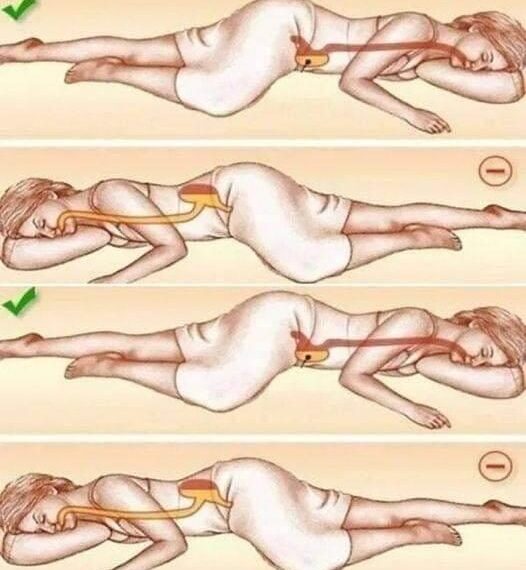
One of the most commonly discussed benefits of sleeping on the left side is improved digestion.
Why This Happens
Your stomach is positioned slightly toward the left side of your body.
When you lie on your left side:
- Food stays lower in the stomach
- Acid remains in place
- Digestion becomes smoother
When you lie on your right side:
- Acid can move upward more easily
- This can increase reflux
A Concept to Learn: Acid Direction Flow
Gravity influences where stomach acid moves.
Left side:
- Keeps acid down
Right side:
- Allows acid to rise
Practical Effect
Sleeping on your left side may:
- Reduce acid reflux
- Reduce heartburn
- Improve comfort after eating
This is especially important if:
- You eat late
- You feel burning in your chest
- You experience discomfort at night
The Heart: A Subtle but Interesting Relationship
The heart is slightly positioned toward the left side of the chest.
What Happens When You Sleep on the Left Side?
Some believe:
- It may increase awareness of heartbeat
- It may feel heavier for some people
But there is no strong evidence that it harms healthy individuals.
A Concept to Learn: Perception vs Reality
Sometimes you feel something strongly, but it doesn’t mean it is harmful.
For example:
- Feeling your heartbeat ≠ danger
- It’s just awareness
The Lymphatic System: The Hidden Cleaning System
This is one of the most interesting but less talked-about effects.
A Concept to Learn: Lymphatic Drainage
Your body has a system that:
- Removes toxins
- Filters waste
- Supports immunity
This system is called the lymphatic system.
Why the Left Side Matters
The main drainage pathway (thoracic duct) is on the left side.
Sleeping on your left side may:
- Support better drainage
- Help the body remove waste more efficiently
The Brain: Sleep, Pressure, and Calm
Sleep position also affects:
- Brain pressure
- Blood flow
- Relaxation
Sleeping on your side (especially left) may:
- Reduce pressure buildup
- Support natural fluid movement
Breathing and Snoring: A Practical Benefit
Click page 2 to continue