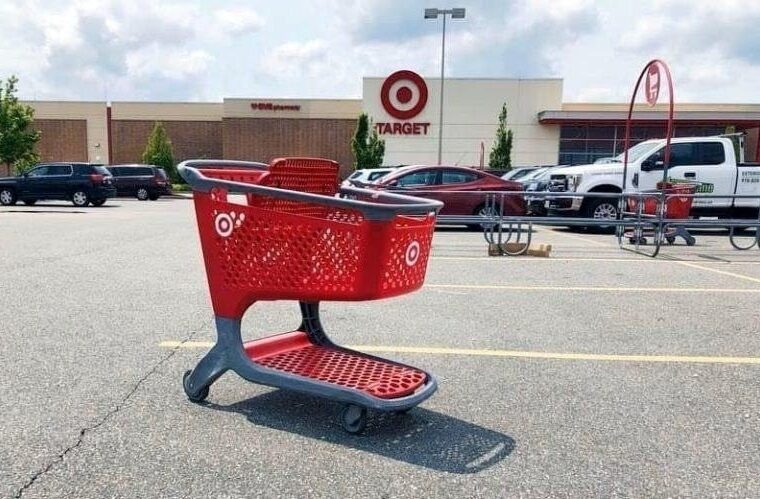
Retail landscapes are shifting faster than ever. Once-dominant brick-and-mortar chains are constantly reevaluating their footprints, closing underperforming locations while expanding in other areas. Among the retailers making difficult strategic decisions in recent years is Target. When news spreads that “Target stores are set to close,” it naturally sparks concern—especially for employees, local shoppers, and communities that rely on those stores.
But what’s really happening? Why are some Target locations closing? And what does it mean for the future of physical retail?
Let’s take a closer look.
Why Target Is Closing Some Stores
Target has not announced a nationwide shutdown or mass exit from physical retail. Instead, the company has periodically closed specific locations based on a combination of factors, including:
- Store performance
- Safety concerns
- Organized retail theft
- Shifts in consumer traffic
- Strategic restructuring
In 2023, Target made headlines when it announced the closure of nine stores across four states. The company cited persistent organized retail crime and safety concerns that could not be resolved despite increased security investments.
The locations affected included stores in:
- New York City (East Harlem)
- San Francisco and Oakland, California
- Portland, Oregon
- Seattle, Washington
Target stated that these closures were made to prioritize the safety of team members and guests. According to company leadership, extensive efforts were made before closing—including hiring additional security, implementing anti-theft measures, and adjusting store operations.
When those efforts failed to create a sustainable environment, the company made what it described as a “difficult decision.”
The Bigger Retail Context
Target’s store closures are not happening in isolation. The entire retail sector has been undergoing transformation.
Over the past few years, several major chains have:
- Closed underperforming urban locations
- Shifted focus toward suburban and high-traffic markets
- Expanded smaller-format stores
- Increased investment in online fulfillment centers
Consumer behavior has changed dramatically. Online shopping has accelerated. Curbside pickup and same-day delivery have become standard expectations. Foot traffic in some city centers has declined since the pandemic.
Retailers are adapting.
Store closures are often less about collapse and more about recalibration.
Safety and Organized Retail Crime
One of the most discussed reasons behind some Target closures has been retail theft.
Organized retail crime involves coordinated groups stealing merchandise for resale. This is different from isolated shoplifting. It can involve repeated, high-value thefts that significantly impact store profitability.
Target publicly acknowledged that theft-related losses had grown substantially and that certain locations became unsustainable due to safety risks.
It’s important to note:
Not every closure is theft-related. But in select urban markets, the company specifically referenced this issue.
Retail security has become a nationwide conversation, affecting not just Target but many major retailers.
Are More Target Stores Closing?
As of now, Target has not released a sweeping national list of new closures beyond previously announced locations.
However, like all major retailers, Target continually evaluates store performance. That means closures can happen at any time if:
- Sales decline significantly
- Lease agreements expire
- Neighborhood dynamics change
- Operating costs outweigh revenue
It’s a dynamic business model.
What may look like contraction in one city could coincide with expansion elsewhere.
Target Is Also Expanding in Other Areas
While some stores close, Target continues opening new locations in growth markets.
The company has been investing in:
- Smaller neighborhood-format stores
- College campus locations
- High-growth suburban markets
- Enhanced fulfillment capabilities inside stores
In fact, many Target stores now serve dual purposes:
- Traditional retail shopping
- Online order pickup and shipping hubs
This hybrid model has become central to Target’s long-term strategy.
Closures do not necessarily signal decline. They can reflect repositioning.
What Happens to Employees?
When Target closes a location, the company typically:
- Offers team members opportunities to transfer to nearby stores
- Provides severance packages in some cases
- Communicates closures in advance
While closures are disruptive, Target has historically emphasized workforce transition support.
That said, each closure impacts real people and real communities.
The Community Impact
Click page 2 to continue