Consuming antioxidant-rich foods and beverages helps support your body’s defense systems.
Cloves and hibiscus both rank highly in antioxidant capacity.
A Realistic Perspective on Benefits
It’s important to emphasize:
No tea will cure hypertension.
No spice will reverse diabetes.
No herbal drink will eliminate cardiovascular risk.
However:
Consistent dietary patterns matter.
Small daily supportive habits accumulate over time.
If a beverage replaces sugary drinks, that alone improves metabolic health.
If it becomes part of a calming routine that reduces stress, that also supports blood pressure regulation.
The value lies in integration — not exaggeration.
Step-by-Step Clove and Hibiscus Preparation
Here is a detailed method to prepare the drink properly.
Ingredients:
- 1/4 cup dried hibiscus calyces
- 4–6 whole cloves
- 4 cups filtered water
- Optional: fresh ginger slices
- Optional: cinnamon stick
- Optional: squeeze of lemon
- Optional: raw honey (moderate use)
Method:
- Bring water to a boil.
- Add hibiscus and cloves.
- Lower heat and simmer for 10–15 minutes.
- Turn off heat and cover. Let steep an additional 5–10 minutes.
- Strain thoroughly.
- Serve warm or chill for iced version.
Flavor profile:
- Tart
- Slightly spicy
- Aromatic
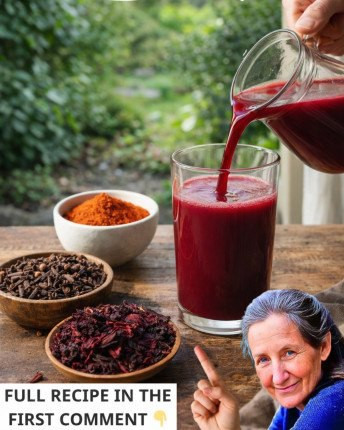
- Deep ruby red
Hot vs Cold Preparation
Hot Brew:
- Extracts volatile oils from cloves
- Stronger flavor
- Best for colder weather
Cold Infusion:
- Smoother
- Less acidic bite
- Steep 8–12 hours in refrigerator
Both methods retain antioxidant potential.
How Much Is Reasonable?
Most hibiscus research uses:
1–3 cups daily.
Clove concentration should remain moderate.
Overconsumption of cloves may cause digestive irritation in large quantities.
Moderation is key.
Who Should Exercise Caution?
While generally safe in culinary amounts, caution is advised for:
- Individuals on blood pressure medications
- Individuals on blood sugar medications
- Pregnant or breastfeeding individuals
- People with low blood pressure
- Those sensitive to acidic beverages
Hibiscus may slightly lower blood pressure.
Cloves may influence blood sugar.
Consulting a healthcare provider is wise when combining herbs with medication.
Integrating Into a Broader Lifestyle
This drink works best when paired with:
- Whole food diet
- Regular physical activity
- Adequate sleep
- Stress management
- Hydration
- Reduced refined sugar intake
Think of it as:
A supporting actor.
Not the lead role.
Psychological Benefits of Ritual
There is also something powerful about ritual.
Brewing tea:
- Slows you down
- Encourages mindfulness
- Signals transition from stress to calm
Stress reduction itself can lower blood pressure.
The act of preparing and sipping intentionally matters.
Frequently Asked Questions
Can I drink this every day?
Yes, in moderate amounts, unless medically contraindicated.
Can I sweeten it?
Lightly, but avoid excessive sugar.
Can I add lemon?
Yes. Lemon complements hibiscus acidity.
Can I use ground cloves?
Whole cloves are preferred for smoother infusion.
Does it replace medication?
No.
A Balanced Conclusion
Cloves and hibiscus are not modern inventions.
They are ancient ingredients rediscovered.
Research suggests supportive potential for:
- Blood pressure balance
- Antioxidant defense
- Metabolic support
- Circulatory health
But they function best within a healthy lifestyle.
Wellness is cumulative.
It is built from daily habits.
Sometimes those habits begin with something as simple as a warm cup of ruby-red tea infused with fragrant spice.
Listen to your body.
Observe how you feel.
Stay consistent.
And always seek medical guidance when managing diagnosed conditions.
Nature offers support.
Science offers clarity.
Together, they can inform a thoughtful, balanced approach to daily wellness.