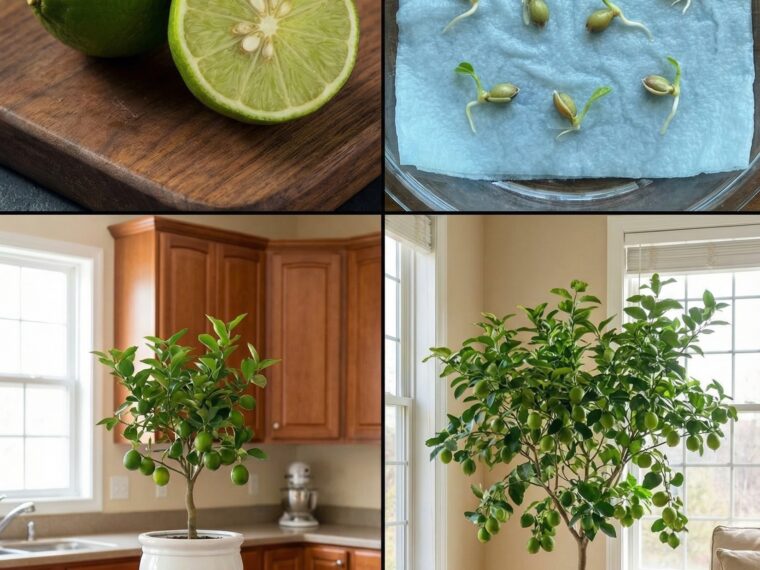
Watering is one of the most delicate aspects of indoor citrus care. Too little water stresses the plant, while too much water suffocates the roots. The key is learning to observe the soil and respond to the tree’s needs rather than following a rigid schedule.
A practical method involves checking the top layer of soil. When the upper few centimeters feel dry to the touch, it is usually time to water the tree. Water thoroughly until moisture begins draining from the bottom of the pot. This ensures the entire root system receives hydration.
Consistency is important. Sudden fluctuations between dryness and excessive moisture can cause leaves and immature fruit to drop. During warmer months when the tree is actively growing, watering may be required more frequently. In cooler months, the plant’s metabolism slows and water needs decrease.
Water quality can also influence plant health. Some indoor gardeners notice improved results when using filtered or room-temperature water, particularly in regions where tap water contains high mineral levels.
Feeding Your Lime Tree: Nutrients and Fertilization
Like all plants, lime trees require nutrients to grow, produce leaves, and form fruit. In natural environments these nutrients are drawn from rich soil ecosystems. In a container, however, nutrients gradually become depleted, making fertilization necessary.
Citrus trees benefit from balanced fertilizers designed specifically for citrus plants. These fertilizers typically contain nitrogen, phosphorus, and potassium—the three primary nutrients required for plant growth. Nitrogen encourages leaf development, phosphorus supports root growth and flowering, and potassium enhances fruit production.
Micronutrients also play crucial roles. Elements such as magnesium, iron, and zinc support metabolic processes within the plant. Deficiencies can cause symptoms like yellowing leaves or poor growth.
Fertilization schedules vary depending on the product used, but many indoor gardeners feed their citrus trees every few weeks during the active growing season. During winter, when growth slows, fertilization can be reduced.
Pollination and Fruit Development Indoors
In outdoor environments, insects such as bees naturally pollinate citrus blossoms. Indoors, these pollinators may not be present. Fortunately, lime trees are self-fertile and can be pollinated manually with simple techniques.
When flowers appear, gentle pollination can be achieved by transferring pollen from one flower to another using a soft brush or cotton swab. This mimics the action of insects and increases the likelihood of fruit formation.
After successful pollination, the flower gradually transforms. Petals fall away, and a small green fruit begins to develop at the base of the blossom. Over time, the fruit enlarges and matures into a full lime.
It is common for young trees to drop some developing fruits. This natural process allows the plant to focus its energy on fewer fruits that it can mature successfully.
Pruning and Shaping the Tree
Pruning helps maintain a manageable size and encourages healthy growth. Indoor lime trees benefit from occasional trimming to remove dead branches, shape the canopy, and improve airflow among leaves.
The best time to prune is typically during active growth periods. Removing weak or crowded branches allows the plant to direct its energy toward stronger growth and fruit production.
Pruning also provides an opportunity to guide the tree’s shape. A balanced canopy ensures that sunlight reaches as many leaves as possible, maximizing photosynthesis.
Common Challenges and How to Solve Them
Indoor lime trees occasionally encounter challenges. One of the most frequent issues is leaf drop. This can occur due to sudden environmental changes, such as moving the plant to a new location or exposing it to cold drafts.
Another common problem involves pests. Aphids, spider mites, and scale insects sometimes appear on indoor citrus plants. These pests feed on plant sap and can weaken the tree if left unchecked. Regular inspection of leaves and stems helps detect problems early. Gentle washing of leaves or the use of natural insecticidal treatments can control infestations.
Yellow leaves may indicate nutrient deficiencies or improper watering. Observing patterns in leaf discoloration can help diagnose the cause and guide corrective action.
The Joy of Harvesting Homegrown Limes
Harvesting fruit from a tree you nurtured yourself brings a unique sense of satisfaction. Lime trees signal readiness through color and texture changes. Many varieties remain green when ripe, but they become slightly softer and more aromatic.
Freshly harvested limes contain vibrant flavors that elevate everyday meals. The juice brightens soups, marinades, and beverages. Even the zest—the aromatic outer peel—adds complexity to cooking.
Beyond culinary uses, limes can be used in refreshing drinks, desserts, and even natural household preparations. A single tree may produce fruit multiple times throughout the year under favorable conditions.
A Living Connection Between Home and Nature
Growing a lime tree indoors is ultimately about more than fruit. It represents a living connection between indoor life and the rhythms of nature. Watching leaves unfold, flowers bloom, and fruit slowly develop reminds us that growth takes time and care.
The tree becomes part of daily life. Its presence near a sunny window changes the atmosphere of a room, bringing color, fragrance, and vitality into the home. Over years, the plant grows alongside its caretaker, adapting to seasons and surroundings.
In a world where many people live far from orchards and gardens, cultivating a lime tree indoors restores a small but meaningful relationship with the natural world. With patience and attention, this simple project transforms a corner of your home into a miniature citrus grove—one that rewards curiosity, persistence, and appreciation for the quiet miracle of plant life.
And perhaps the most remarkable aspect is this: from a single small tree in a pot, sunlight becomes flavor, fragrance becomes fruit, and the act of tending a plant becomes a daily reminder that nature’s processes continue wherever we choose to nurture them. 🍋🌱