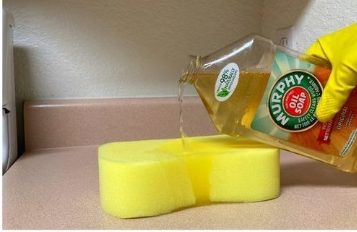
Murphy’s Oil Soap is one of those household products that quietly survives every trend. It doesn’t scream innovation. It doesn’t rely on flashy marketing. And yet, decade after decade, it stays exactly where it belongs: under sinks, in utility closets, and in the routines of people who know that good cleaning products don’t need reinvention—just understanding.
Most people think Murphy’s Oil Soap is only for wood floors. That belief is understandable—and incomplete. In reality, this gentle, plant-based soap has an unusually flexible personality. Used correctly, it cleans, revives, and protects far more than hardwood.
What follows is not a list of gimmicks, but practical, experience-tested uses that respect the chemistry of the product and the materials it touches.
First, What Makes Murphy’s Oil Soap Different?
Murphy’s Oil Soap is not a detergent in the harsh, modern sense. It’s a vegetable oil–based soap, designed to lift dirt without stripping natural finishes. That’s why it works so well on wood—and why it can safely extend to other delicate surfaces.
Its strengths:
- Cuts grease gently
- Leaves minimal residue when diluted properly
- Does not aggressively dry surfaces
- Respects natural materials
This balance is exactly why it can be repurposed intelligently.
1. Revive Dull Hardwood Floors (The Right Way)
Yes, this is the classic use—but many people do it wrong.
Used properly, Murphy’s Oil Soap:
- Removes embedded dirt
- Restores natural sheen
- Preserves the wood’s finish
The key is dilution. Overuse leaves residue. A lightly damp mop—not soaking wet—is essential. When done correctly, floors look clean, warm, and alive rather than glossy or slippery.
This is maintenance, not polishing. And that distinction matters.
2. Clean and Refresh Wood Furniture Without Stripping It
Wood furniture doesn’t need aggressive sprays. It needs respect.
Murphy’s Oil Soap:
- Lifts fingerprints and dust
- Removes light grease
- Revives dry-looking finishes
Dilute it, apply with a soft cloth, wipe gently, then dry. The result is furniture that looks cared for—not “chemically cleaned.”
This is especially useful on older pieces where harsh cleaners would do damage over time.
3. Remove Grease from Kitchen Cabinets (Even Near the Stove)
Kitchen cabinets collect invisible grease, especially above and around cooking areas.
Murphy’s Oil Soap excels here because it:
- Cuts grease without dulling finishes
- Works on wood, laminate, and painted cabinets
- Doesn’t leave harsh fumes
This is one of the best ways to clean cabinets without repainting them by accident.
4. Restore Shine to Wood Paneling and Doors
Wood paneling often looks “tired” rather than dirty.
A diluted Murphy’s Oil Soap solution:
- Removes built-up dust films
- Revives color depth
- Makes wood feel clean, not dry
It’s especially effective on interior doors, door frames, and trim—places people forget to clean until they look worn.
5. Clean Vinyl, Laminate, and Faux Wood Surfaces
Despite its name, Murphy’s Oil Soap isn’t limited to real wood.
When diluted properly, it works well on:
- Laminate floors
- Vinyl planks
- Faux wood furniture
It removes dirt without leaving streaks, which is often the biggest complaint with synthetic flooring.
Always test first—but when it works, it works quietly and well.
6. Remove Crayon, Marker, and Sticky Residue from Surfaces
Parents know this problem well.
Murphy’s Oil Soap can help remove:
- Crayon marks
- Pencil residue
- Sticky labels and adhesive traces
Especially on wood or finished surfaces where solvents would cause damage. Gentle rubbing, patience, and a soft cloth go a long way here.
7. Refresh Leather (With Caution and Restraint)
This is an occasional, light-duty use—not daily maintenance.
Highly diluted Murphy’s Oil Soap can:
- Clean surface dirt from leather
- Remove oils and grime from frequent handling
This works best on:
- Leather furniture
- Car seats
- Bags and accessories
Follow with a proper leather conditioner. The soap cleans; conditioning restores flexibility.
8. Clean Tile and Grout Without Harsh Chemicals
In kitchens and bathrooms, Murphy’s Oil Soap:
- Cuts through soap residue
- Loosens grime
- Is gentler than bleach-based cleaners
It’s especially useful for routine cleaning, not heavy mold removal. Think maintenance, not deep restoration.
9. Wash Painted Walls and Baseboards Safely
Painted walls collect dust, oils, and fingerprints—especially around switches and corners.
Murphy’s Oil Soap:
Click page 2 for more