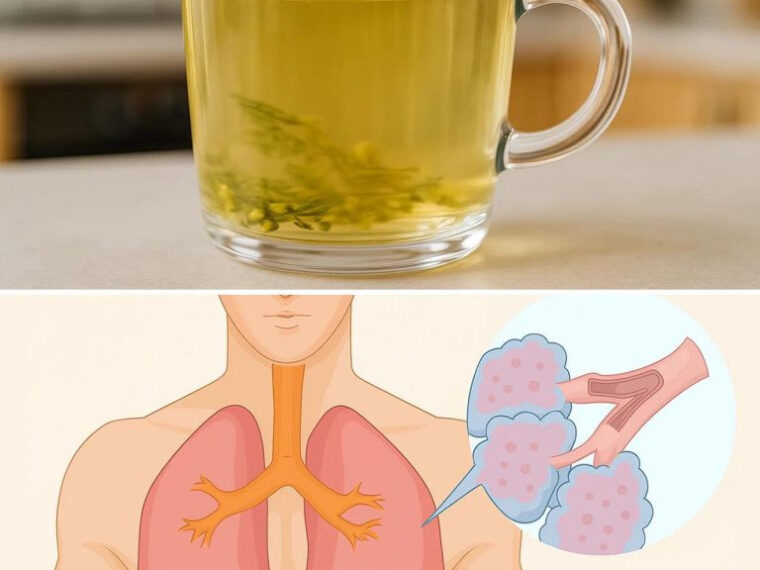
Throughout human history, plants have played a central role in health and healing. Long before the development of modern pharmaceuticals, people relied on herbal remedies to treat coughs, infections, inflammation, and respiratory discomfort. Many of these plants were discovered through centuries of observation and traditional knowledge passed from generation to generation.
One of the most respected herbs in traditional respiratory remedies is mullein. Known scientifically as Verbascum thapsus, mullein has been used in herbal medicine across Europe, Asia, and North America for centuries. Herbalists historically recommended it to soothe irritated lungs, relieve persistent coughs, and help the body clear excess mucus from the respiratory tract.
Today, mullein continues to attract attention from herbal practitioners and natural health enthusiasts who value plant-based approaches to wellness. One of the most common ways to use this plant is in the form of mullein tea, a gentle herbal infusion made from the plant’s leaves or flowers.
Many people turn to mullein tea during seasonal illnesses such as colds, sinus congestion, or allergies. Others use it as a supportive remedy when experiencing breathing discomfort associated with respiratory irritation.
But what exactly makes mullein such a respected plant in traditional herbal medicine? Can a simple tea truly support lung health and respiratory comfort?
In this article, we will explore the history of mullein, the natural compounds it contains, how it interacts with the respiratory system, and how to prepare mullein tea safely and effectively. We will also examine its traditional uses for clearing mucus, soothing irritated airways, and supporting breathing during colds or seasonal allergies.
Understanding these natural remedies can help individuals appreciate how traditional plant medicine complements modern health knowledge.
The Ancient History of Mullein in Herbal Medicine
Mullein is not a new discovery in herbal medicine. In fact, it has been used for thousands of years by various cultures around the world.
Ancient Greek physicians documented the medicinal uses of mullein in their early medical writings. They recommended the plant for treating lung irritation, coughs, and throat inflammation. Roman herbalists also valued mullein as a remedy for respiratory discomfort.
In traditional European folk medicine, mullein was often referred to as a “lung herb.” Herbal healers believed the plant helped cleanse the lungs and ease breathing difficulties.
Native American communities also used mullein as a respiratory remedy. Leaves were brewed into teas or used in steam inhalations to help relieve congestion and support lung function.
Interestingly, mullein was also known by several colorful historical names such as “torch plant” and “cowboy toilet paper,” reflecting both its tall flower spikes and the soft texture of its leaves.
Despite its humble appearance as a roadside plant, mullein earned a strong reputation as a natural respiratory aid.
Understanding How the Respiratory System Produces Mucus
To understand why mullein tea is often recommended for respiratory health, it is helpful to understand the role of mucus in the body.
Mucus is a natural substance produced by the mucous membranes lining the respiratory tract. Its primary purpose is to trap dust, bacteria, viruses, and other particles before they reach the lungs.
Under normal conditions, mucus is produced in small amounts and quietly removed by tiny hair-like structures called cilia that line the airways.
However, during respiratory infections or allergic reactions, mucus production can increase significantly. This thickened mucus can accumulate in the nasal passages, throat, and lungs.
Excess mucus may lead to symptoms such as:
- coughing
- chest congestion
- difficulty breathing
- throat irritation
- blocked sinuses
Herbal remedies like mullein have traditionally been used to help the body loosen and expel excess mucus, allowing the respiratory system to clear itself more efficiently.
The Natural Compounds That Make Mullein Special
Mullein contains several bioactive compounds that contribute to its reputation as a respiratory herb.
Saponins
One of the most important compounds found in mullein is a group of substances known as saponins.
Saponins have natural expectorant properties. This means they help thin and loosen mucus in the lungs, making it easier for the body to expel it through coughing.
By reducing mucus thickness, saponins support the natural clearing mechanisms of the respiratory system.
Flavonoids
Mullein also contains flavonoids, powerful plant antioxidants that help reduce inflammation in tissues.
Inflammation often accompanies respiratory irritation, especially during infections or allergic reactions. By calming inflammation, flavonoids may help soothe irritated airways.
Mucilage
Another important compound in mullein is mucilage, a gel-like substance found in many medicinal plants.
Mucilage forms a soothing coating over irritated mucous membranes in the throat and lungs. This protective effect may help relieve dry coughs and throat discomfort.
Antibacterial Compounds
Some studies suggest that mullein contains compounds with mild antibacterial properties. These properties may contribute to its traditional use for respiratory infections.
Together, these natural compounds create a combination of soothing, expectorant, and anti-inflammatory effects that make mullein particularly valuable for respiratory support.
How Mullein Tea May Help Remove Mucus from the Lungs
One of the most widely discussed benefits of mullein tea is its ability to support the body’s natural mucus-clearing processes.
During respiratory infections or allergies, mucus becomes thick and sticky. This makes it difficult for the body to remove it effectively.
The saponins in mullein help loosen mucus and stimulate gentle coughing, which helps clear mucus from the lungs.
This expectorant action may help relieve symptoms such as:
- chest congestion
- persistent coughing
- tightness in the chest
By promoting mucus clearance, mullein tea helps restore normal airflow through the respiratory passages.
Supporting the Respiratory Tract During Colds and Flu
Colds and flu often cause inflammation and mucus buildup throughout the respiratory system.
Traditional herbalists often recommend mullein tea during these illnesses because of its soothing properties.
Warm herbal infusions can provide several benefits:
- moisturizing irritated throat tissues
- loosening thick mucus
- promoting relaxation of respiratory muscles
The warmth of the tea itself also improves blood circulation in the throat and chest, which may support the body’s natural healing processes.
While mullein tea is not a cure for viral infections, it can help reduce discomfort and support respiratory comfort during recovery.
Mullein and Asthma: A Supportive Herbal Tradition
Click page 2 to continue