- Add to meal tracking: If you track food for metabolic or health goals, log sumac as a micro‑nutrient‑boosted seasoning. It doesn’t carry heft calories but adds nutrition.
- Post‑meal support: After heavier meals (like meat or rice heavy), add sumac to your final dish or a side to assist digestion and fullness.
- Snack upgrade: Use roasted nuts + sprinkle of sumac + sea salt for a high‑flavor, low‑calorie snack option.
- Hydration boost: Make a sumac‑infused water drink: steep 1 tablespoon of sumac in 500ml water, chill, add mint or lemon slices—provides flavor and wellness kick without sugar.
Habit Anchors
- Seasoning switch: Instead of reaching for extra salt, choose sumac as your go‑to “brightener.”
- Visual cue: Keep sumac jar on your cooking zone or spice shelf where it’s visible; visibility increases subconscious use.
- Flavor experiment monthly: Each month pick a “sumac spotlight” cuisine (Mediterranean, Middle Eastern, North African) and use sumac in that style 3‑4 times. This prevents boredom and reinforces habit.
Advanced Application: Recipes, Pairings & Creative Uses
Here are deeper dive applications, pairing ideas and high‑impact uses for culinary creativity and wellness optimization.
Pairing Ideas
- Proteins: Lamb, chicken, beef, fish—sumac enhances richness, lightens flavor, cuts through fat.
- Vegetables: Grilled zucchini, cauliflower, roasted sweet potato, eggplant—sumac adds pop and complexity.
- Legumes/grains: Lentils, chickpeas, rice, bulgur—sumac elevates vegetarian dishes and supports plant‑based meals.
- Dips & spreads: Hummus, baba ganoush, yogurt dips—sprinkle sumac to finish.
- Dressings: Olive oil + tahini + garlic + sumac + lemon (or skip lemon) = bright dressing.
- Beverages: Sumac “lemonade”, iced tea with sumac, rimmed cocktails using sumac + salt.
- Dessert twist: Vanilla ice cream with honey drizzle + small sumac sprinkle; or fresh berries + Greek yogurt + sumac.
Sample Chef’s Recipes
- Sumac Roasted Vegetable Medley
- Preheat oven to 200°C. Chop cauliflower florets, carrot rounds, zucchini. Toss in olive oil, salt, 1 tsp sumac + ½ tsp cumin. Roast 20‑25 mins until golden. Serve with chopped parsley and a light yogurt drizzle.
- Sumac‑Herbed Grill Marinade
- In bowl: 2 tbsp olive oil, 1 tbsp sumac, 2 garlic cloves (minced), 1 tsp oregano, zest of lemon (optional), salt & pepper. Marinate chicken thighs for 30 mins, grill until golden. Finish with extra sprinkle of sumac.
- Sumac Chickpea Bowl
- Mix roasted chickpeas (cumin, salt, olive oil) with chopped cucumber, tomato, parsley, red onion. Dress with olive oil + sumac + lemon juice. Serve on quinoa or brown rice.
- Summer Sumac “Lemonade”
- Steep 1½ tbsp sumac in 1 L hot water for 10 mins, strain, chill. Add mint leaves and slices of orange. Serve over ice. Optional: a drizzle of honey if desired.
Storage & Batch Prep
- Keep sumac in small jars exposed to minimal light.
- For high‑use cooks: mix a 100 g batch of sumac rub (sumac + thyme + salt) and store in fridge; label and use within 3 months.
- For infusions: prepare a 1‑litre batch of sumac water on Sundays to use during the week.
Wellness Integration: From Kitchen to Lifestyle Impact
Let’s translate the flavor routine into measurable wellness outcomes.
Flavor + Satiety = Better Eating
When food tastes better, you’re less likely to feel deprived and abandon healthy eating habits. Sumac elevates meals, making them more satisfying which in turn supports adherence to healthful eating.
Lower Added Fat & Salt
Because sumac delivers brightness and complexity, you can reduce butter, heavy sauce, or excess salt. This aligns with heart‑healthy seasoning strategies and supports better metabolic health.
Regular Use + Nutrition Synergy
By using sumac consistently, you gain small but meaningful nutrient benefits (minerals, antioxidants) alongside other healthy foods. This supports functional seasoning habits rather than just seasoning randomly.
Habit Building & Behavior Change
In wellness coaching language: sumac becomes a high‑leverage habit with low friction (just sprinkle some spice). Its immediate flavor reward strengthens the behavior loop. Habit → product use (sumac) → immediate reward (flavor) → positive association → repeat → elevated wellness.
Safety, Quality, and Considerations
While sumac is very safe for most people, a few considerations ensure smart use:
- Allergy concerns: Since sumac belongs to the same botanical family as mango or cashew in some regions, individuals with tree‑nut or mango allergies should test cautiously.
- Dosage: A little goes a long way—because the flavor is strong, typical usage is ¼‑1 tsp per dish.
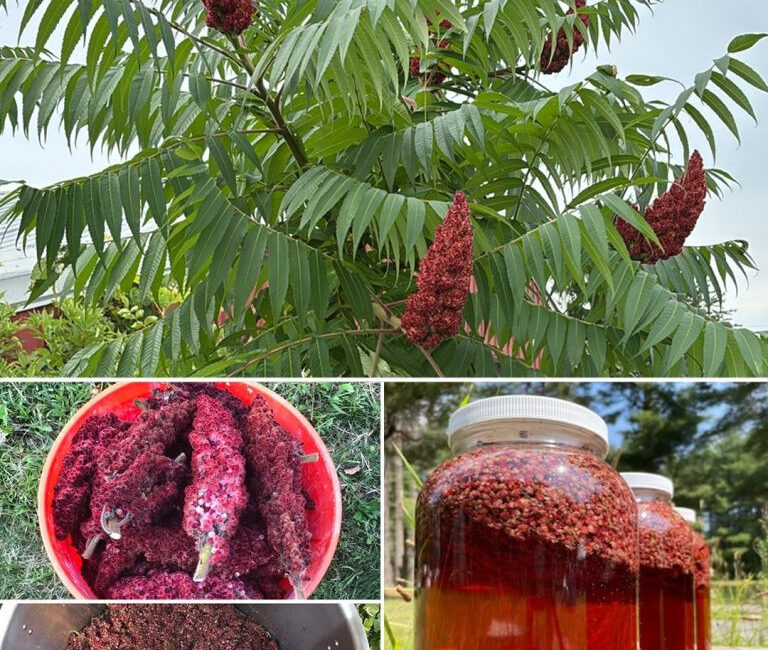
- Processing & purity: Ensure you buy culinary sumac (red berry) not to be confused with poisonous white‑berry “sumac” species.
- Medication interaction: Although minimal, if you’re on heavy blood‑sugar medications or hypertension meds discuss changes with your provider before relying on spice for metabolic effects.
- Storage quality: Old or stale sumac will lose flavor and potential nutrient benefit; replace as needed to maximise impact.
Success Metrics: How to Know You’re Gaining Value from Sumac
To assess whether the spice habit is working for you, track these subtle but meaningful signals:
- Meals feel more satisfying and flavorful with less added fat or sauce.
- You reach for condiments less frequently because flavor is elevated naturally.
- You notice fewer cravings for take‑out or heavy sauces because home cooking tastes upgraded.
- Post‑meal you feel lighter or less bloated—thanks to improved digestion and less heavy seasoning.
- Over time, you might notice improved blood‑sugar variability (if you track glucose), improved energy, or less need for acid or salt.
- Your pantry becomes leaner and more high‑impact: fewer unnecessary condiments, more purposeful seasoning.
These are the signs that the spice habit has translated into measurable benefit.
Frequently Asked Questions (FAQ) About Sumac
Q: Can sumac replace lemon juice entirely in cooking?
A: Not entirely—the texture and liquid content differ—but yes: in many cases you can swap in sumac for acid without adding extra liquid, especially in salads and garnishes.
Q: How much sumac should I use per dish?
A: Usually ¼‑1 tsp per serving is sufficient. Because it’s strongly flavored, more isn’t always better. Start small and taste.
Q: Is sumac good for weight loss?
A: While not a magic bullet, sumac supports weight‑management by improving flavor, reducing need for heavy sauces, and enhancing meal satisfaction. When combined with a healthy diet and activity, it aids the process.
Q: Can I use sumac for detox or internal cleansing?
A: It supports antioxidant and digestive functions which align with wellness and cleansing routines—but it’s not a standalone detox. Use it as part of a broader whole‑food, hydration, sleep and movement‑based lifestyle.
Q: Which dishes benefit most from sumac?
A: Salads, roasted vegetables, grilled meats, yogurt dips, grain bowls, citrus desserts, infused drinks. Anywhere you want a zesty, clean brightness.
Q: Does sumac lose its benefit when cooked?
A: When added early in long cooking it may lose some brightness—so many cooks add it at the end of cooking or as a finishing sprinkle to preserve flavor and antioxidant properties.
Building a 30‑Day Sumac Challenge for Flavor & Wellness
Here’s a practical 30‑day challenge to fully integrate sumac into your kitchen and wellness routine.
Days 1‑7: Pantry Setup & Single Dish Focus
- Purchase high‑quality sumac.
- Use it once a day in a simple dish (salad, grilled chicken, roasted veggies).
- Note flavor difference and any immediate satisfaction.
- Reduce one heavy condiment you normally use (ex: creamy dressing) and replace with sumac‑based flavor.
Days 8‑15: Habit Formation & Routine Enhancement
- Use sumac twice daily: once in a meal, once in a snack or drink (sumac water or roasted nuts + sumac).
- Experiment with a new pairing each day (fish, veggies, legume bowl).
- Track satisfaction, fullness, flavor difference and whether you reach for fewer sauces.
Days 16‑23: Wellness Layering
- Choose one “wellness application” per day: post‑meal sumac on heavy dish, sumac snack instead of chips, sumac infused water, etc.
- Note digestive feeling, energy levels, flavor satisfaction.
- Adjust your pantry and seasoning strategy: remove one under‑performing spice and keep sumac as your go‑to.
Days 24‑30: Mastery & Lifestyle Integration
- Create and document 3 “signature sumac dishes” you’ll keep in your regular rotation.
- Share the dish with friends or family to reinforce your habit socially.
- Reflect on flavor, wellness feeling, ease of habit, pantry simplification.
- Decide how you’ll continue using sumac long‑term: weekly usage frequency, seasoning position, favorite recipes.
After these 30 days, the goal is not just appreciation of sumac, but making it a permanent fixture in your home cook and wellness routine.
Conclusion: Why Sumac Deserves a Top Shelf Place
Sumac is not just another spice—it’s a multidimensional tool. In your kitchen, it elevates flavor, texture, visual appeal and culinary satisfaction. In your wellness arsenal, it supports digestion, metabolic balance, antioxidant load, cardiovascular health and mindful eating habits. In your lifestyle design, it functions as a high‑impact yet low‑effort habit lever—transforming everyday meals into experiences and reinforcing choices that matter.
By embracing sumac, you unlock rich flavor without relying on heavy sauces; you support your body without burdensome supplements; you build kitchen efficiency and wellness synergy. It’s smart, sensible and deeply satisfying.