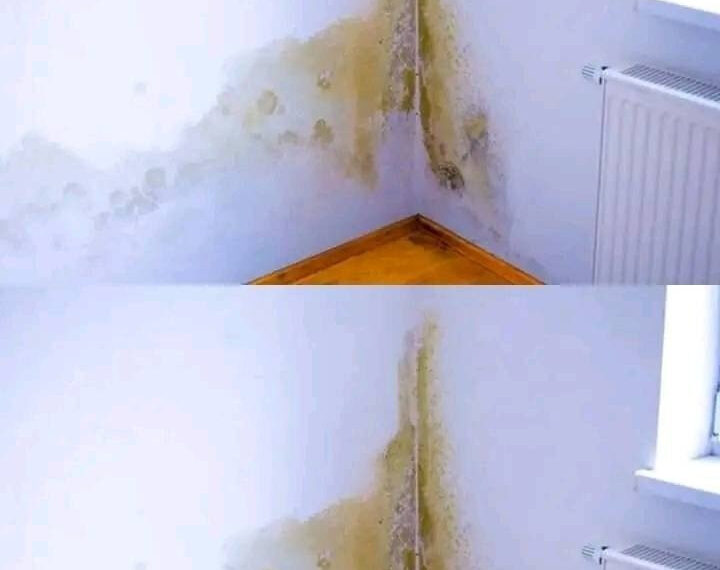
Mold is one of those problems that feels both invisible and invasive. You might notice a musty smell before you ever see a spot. Or you spot a dark patch in a corner and suddenly wonder how long it’s been there, quietly spreading.
What makes mold especially frustrating is that cleaning it once doesn’t always solve the problem. It comes back. Same place. Same smell. Same irritation.
That’s because mold is not just a surface issue.
It’s a conditions issue.
To truly get rid of mold—and stop it permanently—you need to understand why it grows, how it survives, and what actually removes it instead of just hiding it.
Let’s go step by step, calmly and thoroughly.
What Mold Really Is (And Why It Loves Houses)
Mold is a living organism. It’s a fungus that reproduces through microscopic spores floating constantly in the air—indoors and outdoors.
You cannot eliminate mold spores completely.
What you can eliminate is the environment they need to grow.
Mold requires three things:
- Moisture
- Organic material (dust, wood, fabric, drywall)
- Time
Remove moisture, and mold cannot survive—no matter how many spores exist.
This is why mold is almost always a humidity and ventilation problem, not a cleanliness problem.
The Most Common Places Mold Hides
Mold prefers areas that are warm, damp, and poorly ventilated. The most frequent trouble spots include:
- Bathrooms (especially ceilings, grout, and behind toilets)
- Kitchens (under sinks, behind appliances)
- Windows and window frames (condensation zones)
- Closets and wardrobes against exterior walls
- Basements and ground-floor rooms
- Behind furniture placed too close to walls
If mold keeps returning to the same spot, that spot is telling you something about moisture flow.
Step 1: Stop the Moisture First (This Is Non-Negotiable)
Before you clean anything, you must deal with the source of moisture. Otherwise, cleaning is temporary.
Common moisture sources include:
- Poor ventilation (especially in bathrooms)
- Leaking pipes or drains
- Condensation from temperature differences
- Drying clothes indoors without airflow
- Humid climate with no dehumidification
What Actually Helps:
- Open windows daily, even briefly
- Use an exhaust fan when showering or cooking
- Leave bathroom doors open after use
- Pull furniture 5–10 cm away from walls
- Fix leaks immediately—even small ones
- Use a dehumidifier in damp rooms
If humidity stays above ~60%, mold will return. Always.
Step 2: Safe and Effective Mold Removal (What Works and What Doesn’t)
What NOT to Rely On
Bleach is the most common mistake.
Bleach:
- Whitens mold stains
- Does NOT kill mold roots on porous surfaces
- Adds moisture, which mold loves
Bleach makes mold look gone—but often helps it come back stronger.
What Actually Works
1. White Vinegar (Best All-Around Solution)
- Kills most mold species
- Penetrates porous materials
- Does not feed mold
How to use:
- Use undiluted white vinegar
- Spray directly on mold
- Leave for at least 1 hour
- Scrub gently
- Wipe clean and dry thoroughly
The smell fades. The effect lasts.
2. Baking Soda (For Ongoing Prevention)
- Absorbs moisture
- Mildly antifungal
- Safe for regular use
Mix:
- 1 teaspoon baking soda
- 1 cup water
Spray, scrub, wipe, and let dry.
You can leave a thin residue—it helps prevent regrowth.
3. Hydrogen Peroxide (For Tough Mold)
- Strong antifungal
- Works well on grout and tiles
Use 3% solution:
- Spray directly
- Leave 10–15 minutes
- Scrub and wipe
Do not mix with vinegar or bleach.
Step 3: Cleaning Without Spreading Spores
Mold spreads when disturbed.
Important rules:
Click page 2 to continue