Why These Tiny Seeds Deserve a Permanent Place in Your Kitchen
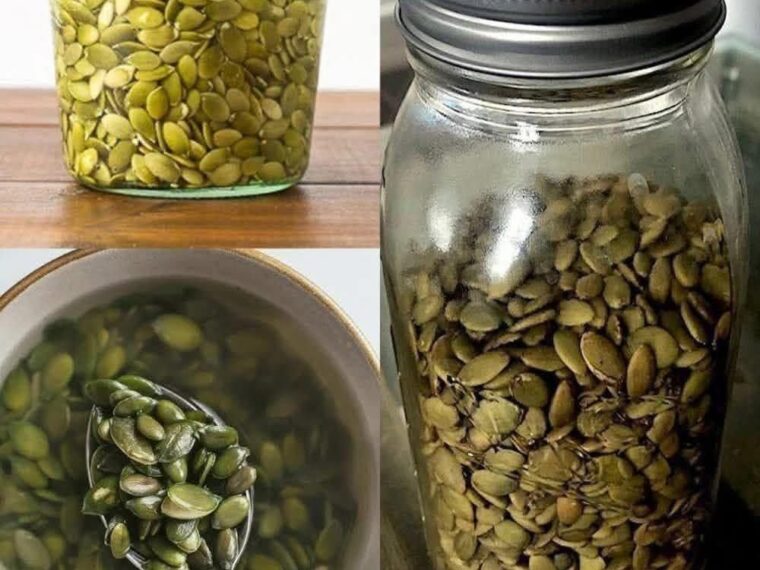
Pumpkin seeds — often called pepitas — are small, flat, and unassuming. They don’t advertise themselves with bright colors or exotic names. They sit quietly inside pumpkins, overlooked during carving season, often discarded without a second thought.
And yet, nutritionally speaking, they are among the most concentrated plant foods available.
Rich in minerals, healthy fats, antioxidants, plant compounds, and protein, pumpkin seeds represent what nutrition experts call nutrient density — a high concentration of beneficial compounds relative to their size and calorie content.
But here is something important before we begin:
Pumpkin seeds are powerful, yes — but not magical.
They support health as part of a balanced lifestyle.
They do not replace medical care or cure disease.
With that clarity in place, let’s explore what makes them so valuable — and how to use them wisely.
Why Pumpkin Seeds Are Nutritionally Unique
Pumpkin seeds contain an impressive combination of:
- Magnesium
- Zinc
- Iron
- Phosphorus
- Copper
- Manganese
- Plant-based omega-3 and omega-6 fats
- Antioxidants (including vitamin E compounds and carotenoids)
- Fiber
- Protein
- Phytosterols
- Tryptophan
Few plant foods provide this mineral density in such a small serving.
Just two tablespoons deliver meaningful levels of magnesium and zinc — two nutrients commonly under-consumed.
This is why they are often labeled a “superfood.” Not because of trendiness — but because of concentration.
Now let’s break down the 30 benefits, grounded in what we know about their nutritional components.
30 Benefits of Pumpkin Seeds
1. Support Brain Function
Magnesium plays a role in nerve signaling and synaptic plasticity — processes related to learning and memory. Zinc also contributes to cognitive health. Pumpkin seeds offer both.
2. Strengthen Immune Function
Zinc is critical for immune cell development and communication. Inadequate zinc intake can impair immune defense.
3. Provide Sustained Energy
Unlike sugar-based snacks, pumpkin seeds combine protein, fiber, and healthy fats — offering stable energy release rather than spikes and crashes.
4. Improve Sleep Quality
Pumpkin seeds contain tryptophan, an amino acid involved in melatonin production. Magnesium also supports relaxation of the nervous system.
5. Help Reduce Stress and Anxiety
Magnesium is often called the “calming mineral.” It supports neurotransmitter balance and muscle relaxation.
6. Support Heart Health
Healthy fats, magnesium, and antioxidants may contribute to improved cholesterol patterns and reduced inflammation.
7. Assist Blood Sugar Regulation
Fiber, protein, and fats slow carbohydrate absorption, potentially helping moderate blood sugar fluctuations.
8. Aid Weight Management
The combination of fiber and protein increases satiety — helping reduce excessive snacking.
9. Improve Digestive Health
Fiber supports bowel regularity and nourishes beneficial gut bacteria.
10. Strengthen Bones
Magnesium and phosphorus are essential for bone mineralization.
11. Support Prostate Health
Pumpkin seed extracts have been studied for urinary and prostate support in men, particularly in benign prostatic hyperplasia.
12. Support Hormonal Balance in Women
Pumpkin seeds contain phytoestrogens and zinc, which may support hormonal stability during menstrual and menopausal transitions.
13. Reduce Inflammation
Antioxidants such as vitamin E compounds help combat oxidative stress — a contributor to chronic inflammation.
14. Combat Free Radical Damage
Zinc, selenium, and carotenoids help neutralize unstable molecules that accelerate cellular aging.
15. Traditionally Used for Parasite Support
Historically, pumpkin seeds were used in traditional medicine for intestinal parasite support. While modern evidence is limited, the tradition persists.
16. Support Liver Health
Antioxidants and healthy fats may support liver function indirectly by reducing oxidative stress.
17. Promote Hair Strength
Zinc deficiency has been linked to hair thinning. Pumpkin seeds provide plant-based zinc support.
18. Improve Skin Health
Healthy fats help maintain skin barrier integrity. Zinc supports wound healing and inflammation control.
19. Protect Eye Health
Lutein and zeaxanthin help protect the retina from oxidative damage.
20. Help Lower LDL Cholesterol
Phytosterols in pumpkin seeds may reduce intestinal absorption of cholesterol.
21. Provide Natural Antimicrobial Support
Pumpkin seed oil contains compounds that demonstrate antibacterial and antifungal properties in laboratory studies.
22. Excellent Pre- or Post-Workout Snack
Minerals like magnesium and potassium support muscle contraction and recovery.
23. Support Growth in Children
Zinc and magnesium contribute to growth, immune function, and development.
24. Assist in Diabetes Management
Emerging studies suggest pumpkin seeds may improve insulin sensitivity when included as part of a balanced diet.
Click page 2 to continue